Why People in the Middle Ages Weren’t Actually That Dirty
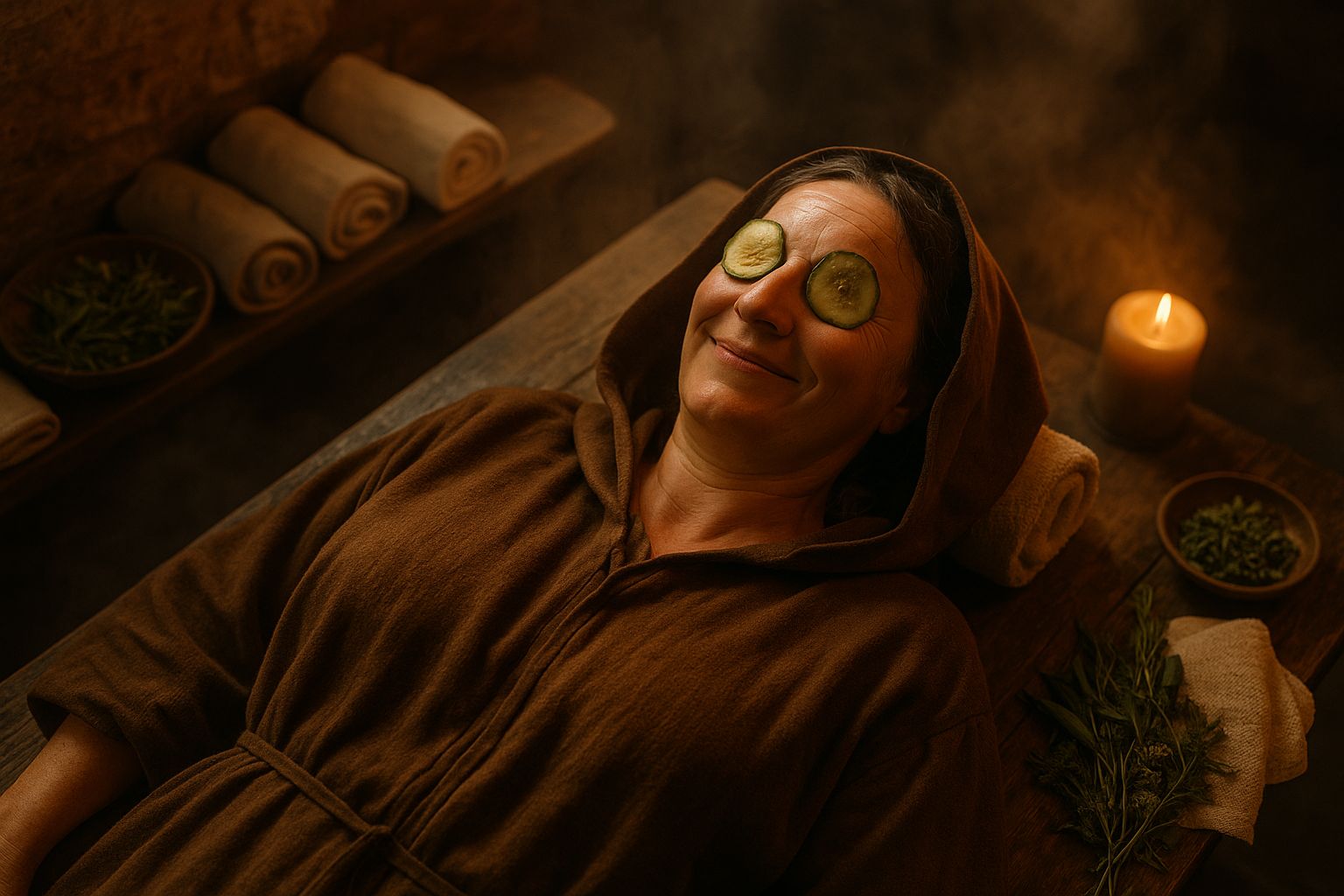
Were Really That Dirty in the Middle Ages: A Medieval Day at the Relaxing Spa
Debunking the Great Medieval Dirt Myth
Let’s clear the (musty, unwashed) air: people in the Middle Ages were not the filthy, mud-caked goblins pop culture loves to depict. Contrary to popular belief, medieval folks washed regularly, used soap, and even visited public bathhouses. Sure, there were fleas, chamber pots, and some questionable dental care — but the idea that people went decades without bathing? That’s historical slander.
In fact, cleanliness wasn’t just practical — it was often tied to health, spirituality, and social respectability. A well-groomed appearance showed good character. And while the plumbing situation wasn’t exactly luxurious, the medieval approach to hygiene was far more proactive than most people think.
Bathhouses, Buckets, and Barrels
🛁 Public Bathing Was a Thing
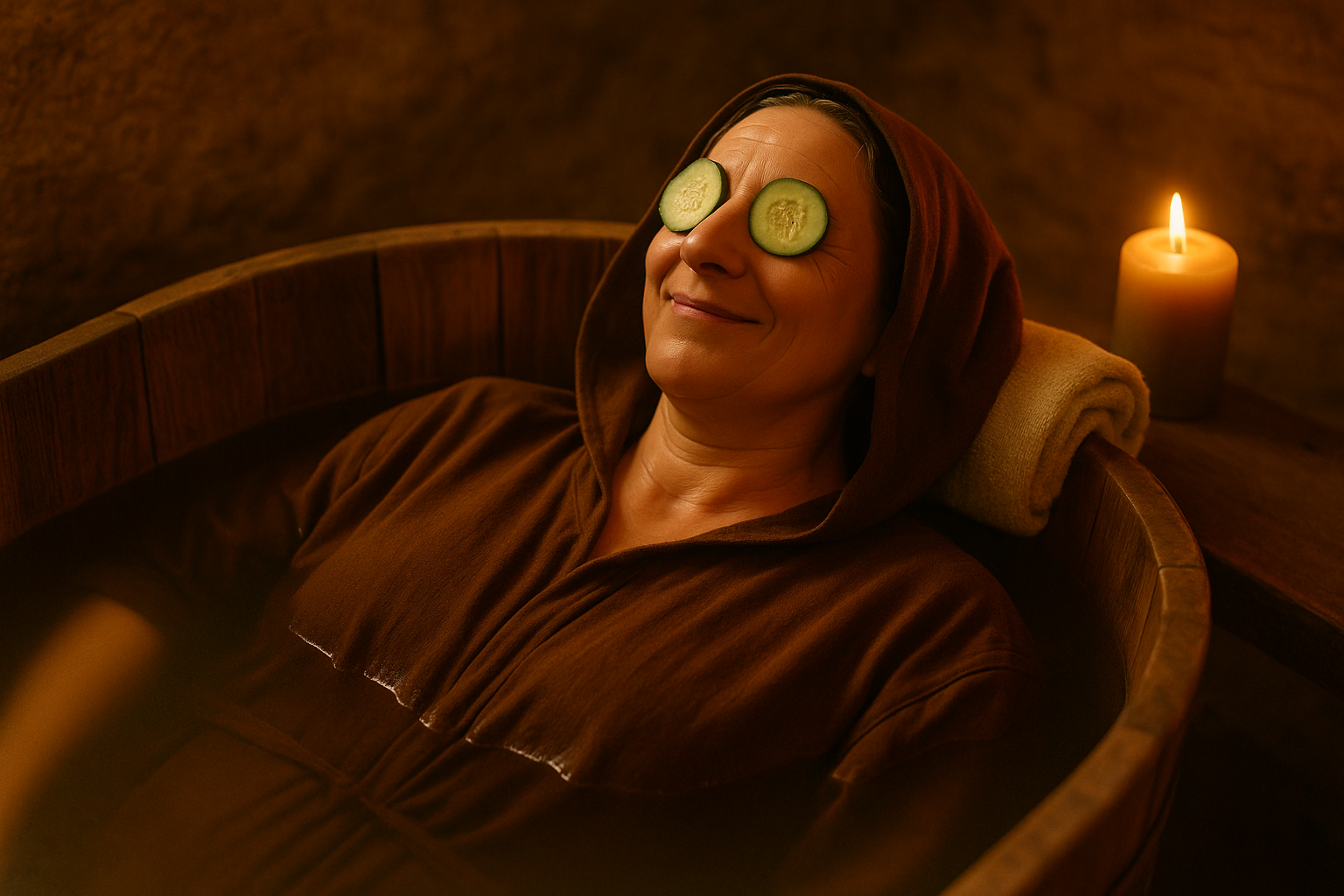
Across medieval Europe, public bathhouses flourished. From London to Lübeck, towns had heated bathhouses where people — rich and poor — could soak in tubs, sweat in steam rooms, and get scrubbed down with soap or cloths. In some cities, they were as common as taverns.
According to historian Carole Rawcliffe, by the 13th century communal bathing was widespread, and bathhouses were even seen as socially and morally valuable. Men and women sometimes bathed separately, though not always — which gave the Church something to grumble about.
🧼 They Had Soap — And They Made It Themselves
Medieval soap was real. Often made from animal fat and lye, or plant ashes and herbs like sage and rosemary, it wasn’t fancy, but it worked. Soap-makers (yes, that was a profession) even formed early guilds in places like France and Italy.
In Islamic regions like Al-Andalus, soap production reached an even higher standard — with perfumed olive oil soaps being exported across Europe. Cleanliness wasn’t just tolerated; it was trendy.
🚿 What If You Couldn’t Afford a Bathhouse?
No bathhouse nearby? No problem. People washed in basins, streams, or tubs at home. Instructions for “bathing rituals” show up in medieval texts, often prescribing warm water infused with herbs, or even gentle rinses for newborns.
Bathing once or twice a week — or more often if you were wealthy — was common. Even peasants were known to wash their hands and faces daily, particularly before meals or prayer.
Hygiene and Health: More Than Skin Deep
🩺 Cleanliness as Medicine
Medieval medical theory believed in balancing “humors” — and filth was seen as dangerous. Doctors recommended regular bathing to prevent disease, especially in warmer months. The 12th-century physician Aldobrandino of Siena even recommended haircuts, scented water, and handwashing as part of a healthy routine.
During plagues, cleanliness was encouraged — although misguidedly, doctors also warned that hot baths could “open the pores” to disease. Still, the connection between health and hygiene was firmly planted.
😷 What About the Smells?
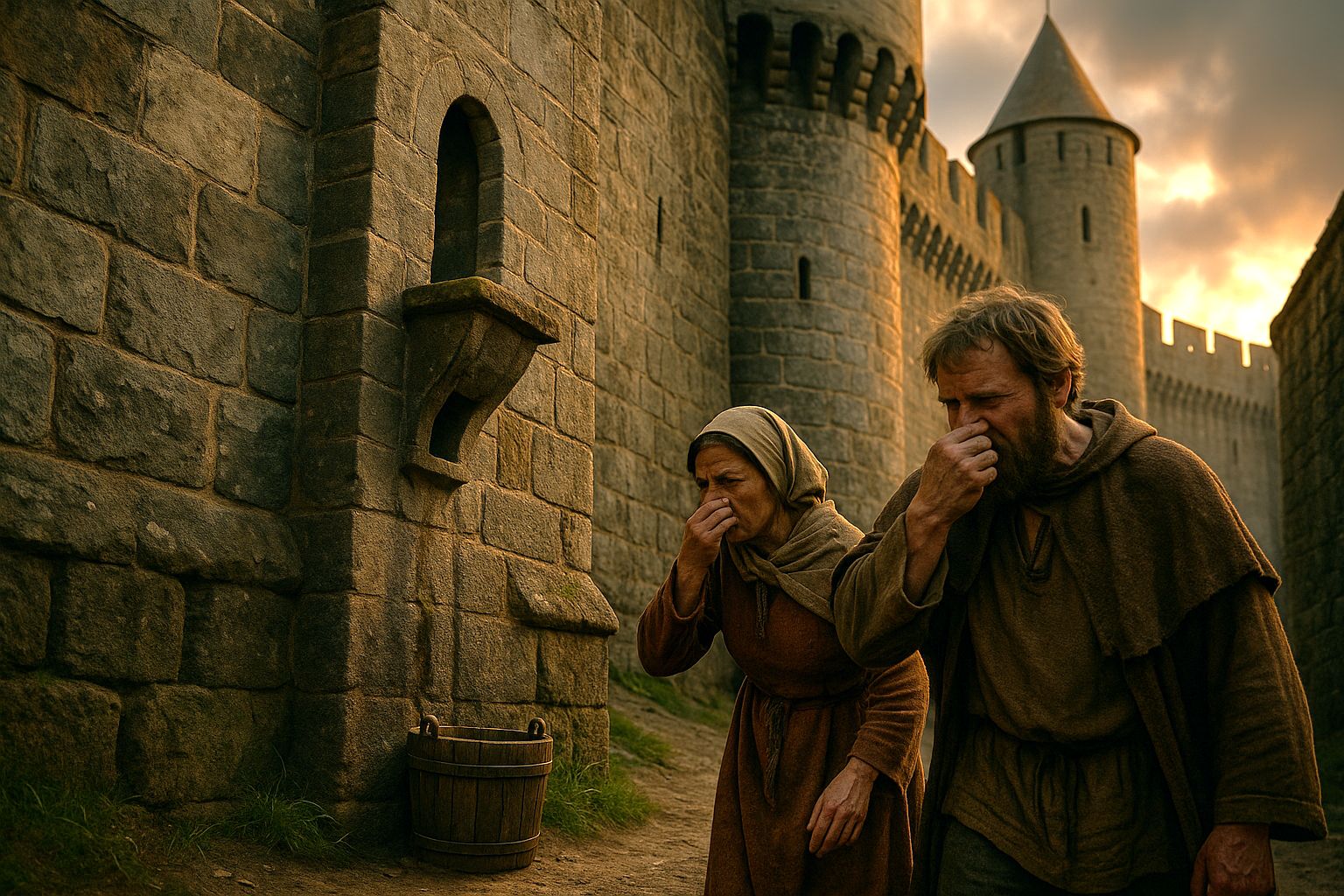
Sure, medieval streets weren’t lavender-scented. But people tried. Perfumed gloves, scented pouches, rosewater, and herbal sachets were used to mask body odor. Even monks, notoriously minimal, used toothpicks and handwashing basins.
And yes — they cleaned their clothes. Linen undergarments were often boiled and bleached, while outer layers were brushed and beaten to remove dust. Not exactly Tide Pods, but it worked.
Why the “Dirty Medieval” Myth Exists
🛑 Blame the Victorians
The myth that medieval people were gross began to take shape in the 18th and 19th centuries. Enlightenment and Victorian writers often portrayed the Middle Ages as “dark” and backward — partly to make their own era seem more civilized.
They exaggerated filth and ignorance, ignoring surviving texts, paintings, and records that showed people cared deeply about cleanliness and dignity. Even medieval manuscripts include bath scenes with lovers or royalty — usually not covered in filth.
📺 And Hollywood Didn’t Help
Movies and TV often show medieval peasants as perpetually muddy, toothless, and sneezing into hay bales. It makes for great contrast — but bad history. Real medieval folk had flaws, sure, but most of them washed more than your average fantasy hero ever seems to.
Final Rinse: Medieval People Cleaned Up Nicely
It’s time to rinse off the grime of bad historical PR. The people of the Middle Ages bathed, shaved, laundered, and scented themselves with intention. They may not have had bidets or bubble baths, but they weren’t wallowing in their own filth either.
So next time someone says, “They didn’t even bathe in medieval times!” — you’ll know that’s just dirt being thrown on a much cleaner past.
Sources
British Library: Medieval Hygiene
https://www.bl.uk/the-middle-ages/articles/cleanliness-and-hygiene
History Extra: Medieval Bathing
https://www.historyextra.com/period/medieval/dirty-middle-ages-myth-hygiene-bathing-toilets/
Rawcliffe, C. “Urban Bodies”
https://www.jstor.org/stable/25805043
Medievalists.net
https://www.medievalists.net/2020/05/dirty-middle-ages/