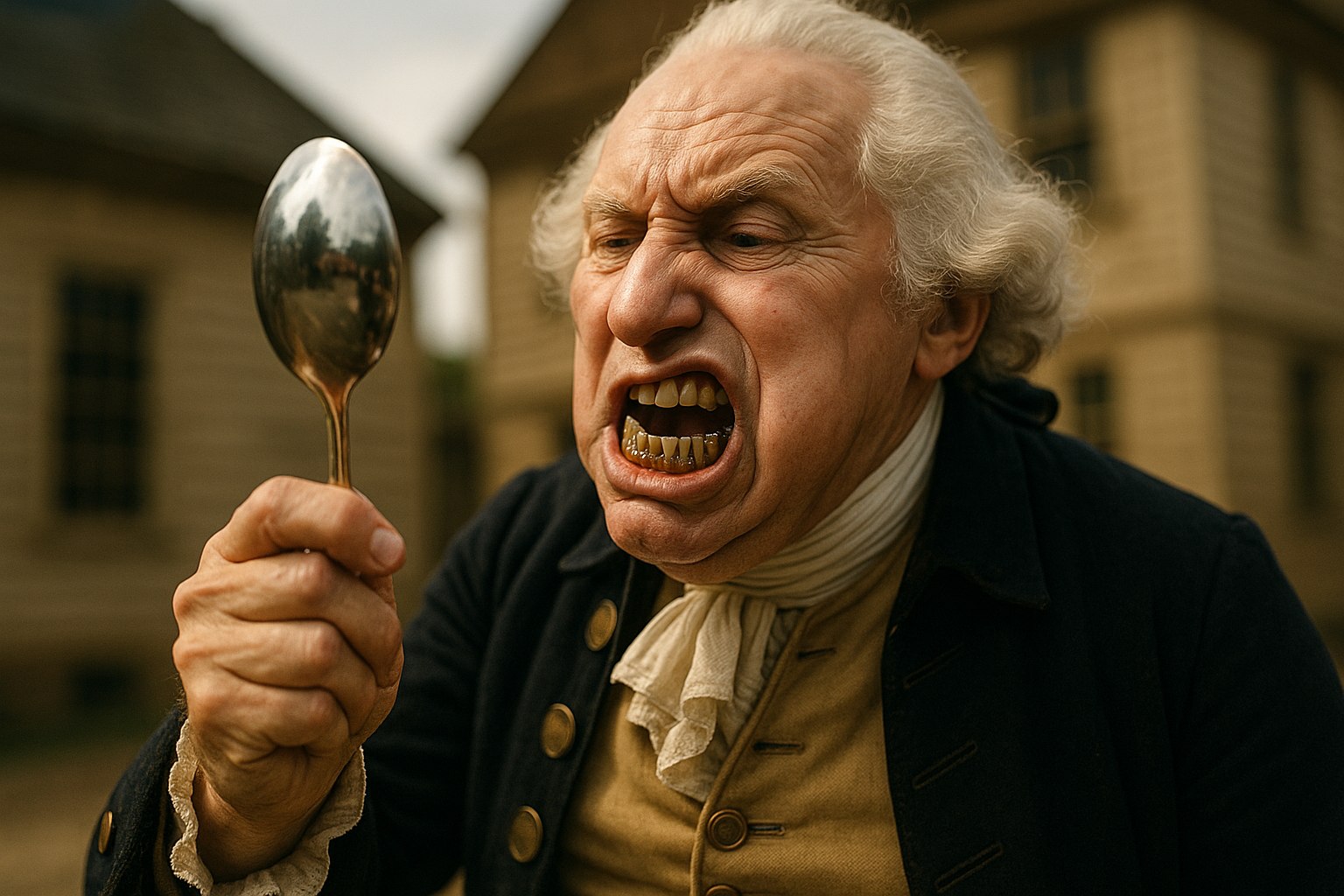
Secret Societies & Royal Suspicions: 1700s Europe’s Conspiracy Obsession
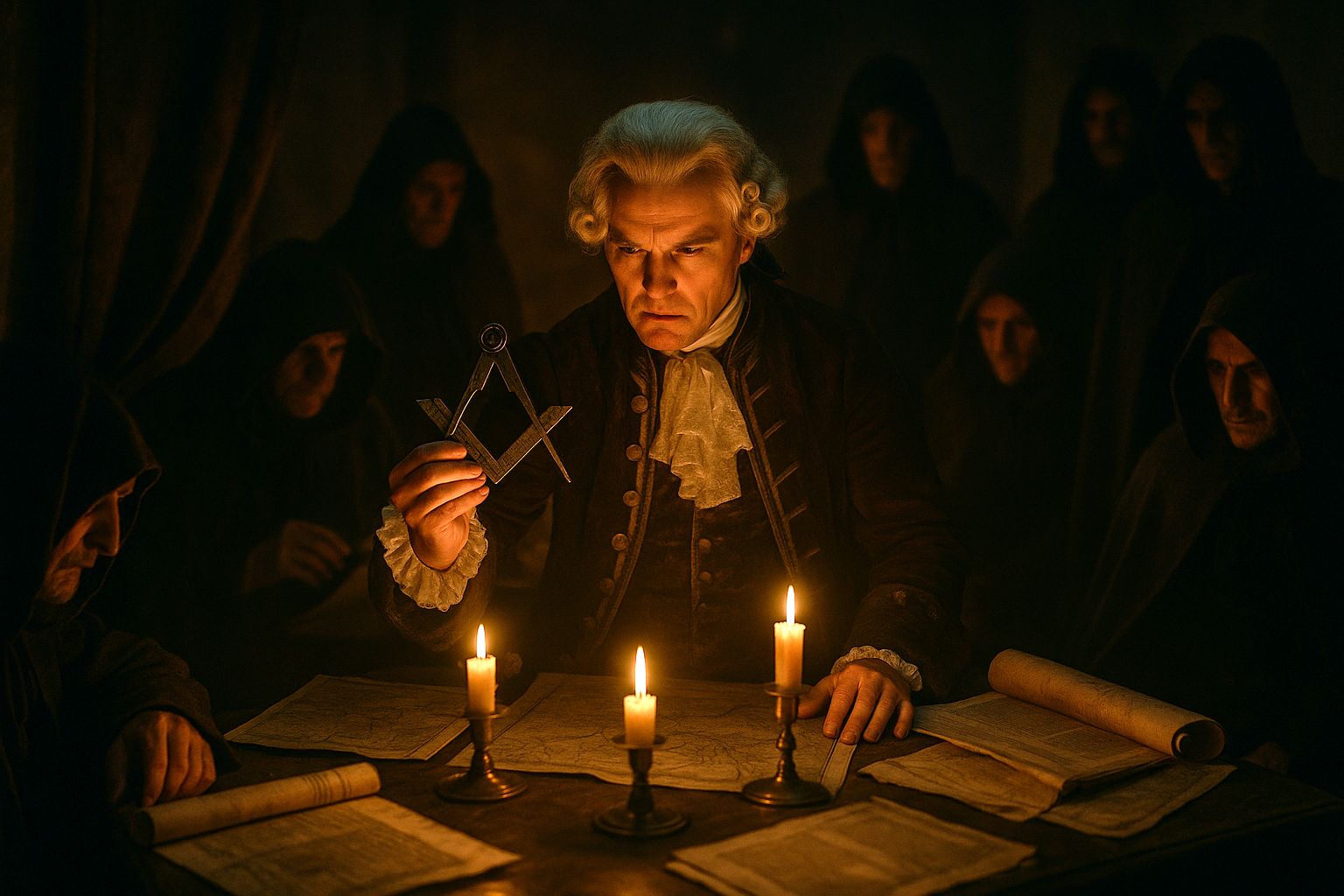
A View Into 18th Century Masonic Secrecy Unveiled
A View Into 18th Century Masonic Secrecy Unveiled
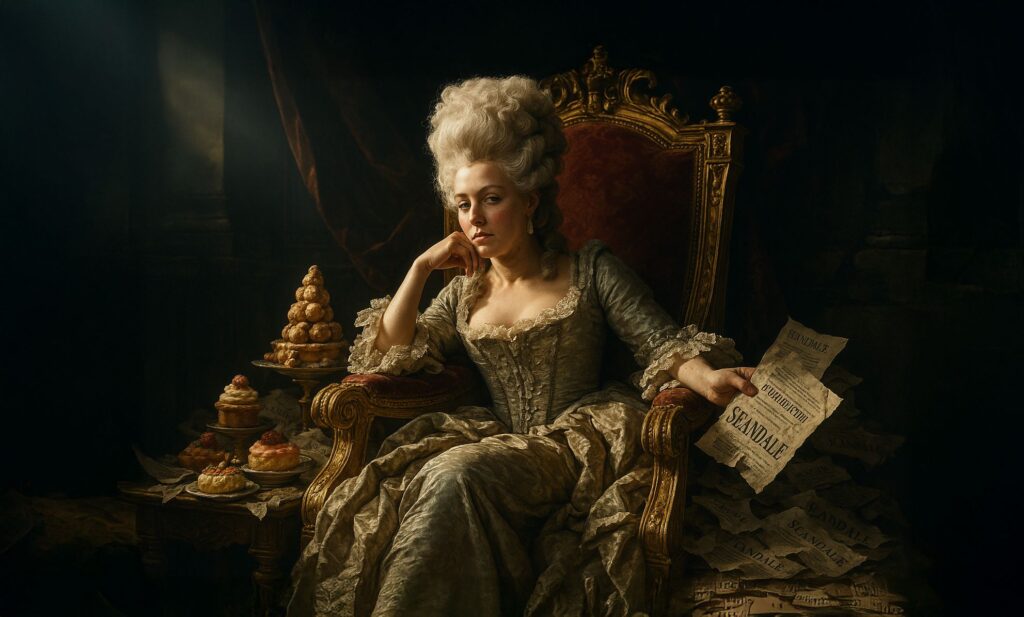
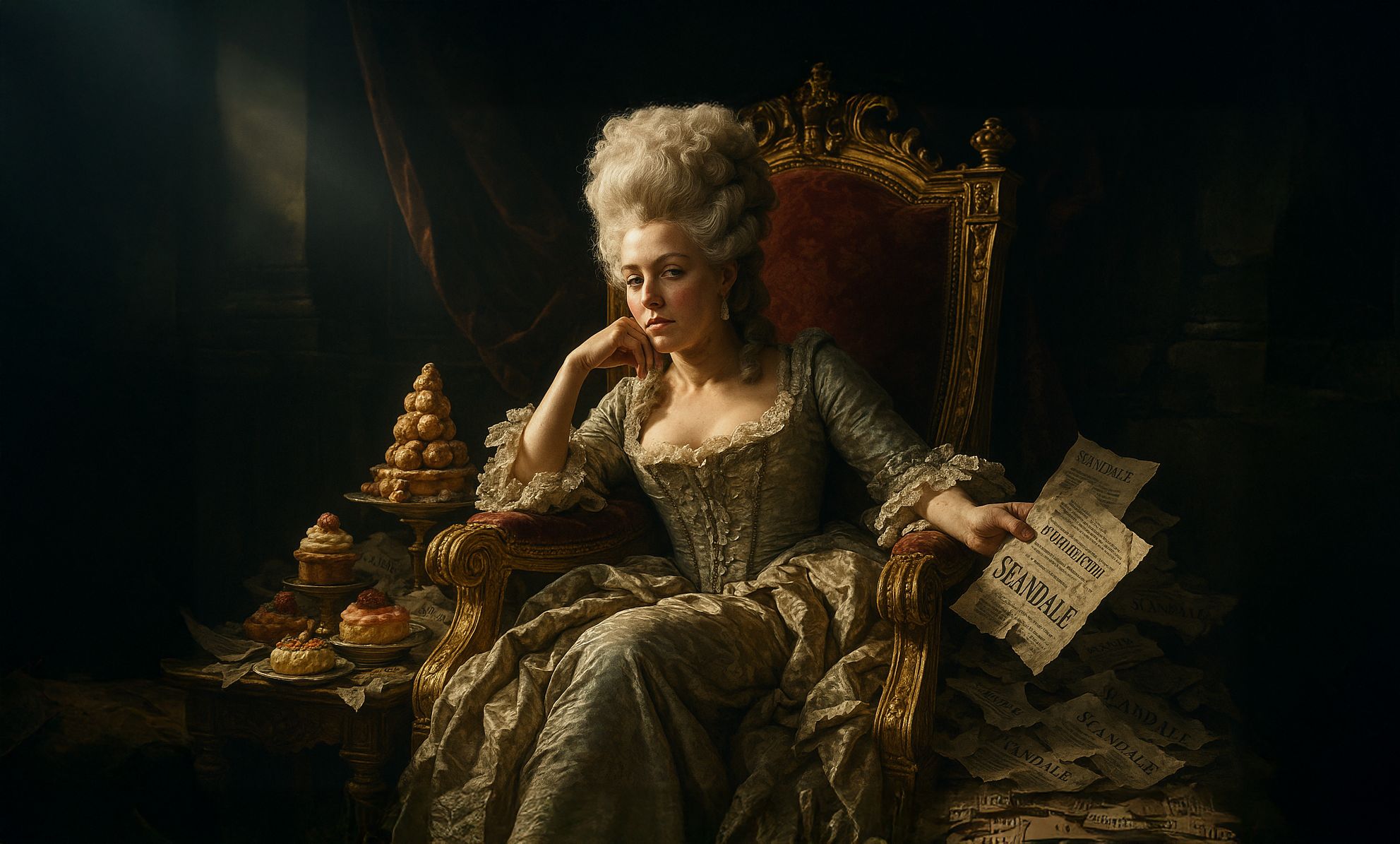
In 18th-century Europe, salons buzzed with whispers of hidden brotherhoods, forbidden rituals, and all-powerful networks pulling the strings behind monarchies and revolutions alike.
From the Freemasons to the Illuminati, secret societies became both scapegoats and symbols in an age of enlightenment and upheaval.
But how much of it was real — and how much was pure powdered-wig paranoia?
Age of Reason, Age of Secrets
The 1700s were supposed to be the Enlightenment: a time of science, reason, and intellectual awakening. But paradoxically, this “Age of Reason” also saw a surge in secret societies — and with them, a tidal wave of conspiratorial panic.
As monarchies lost their iron grip and religious institutions grew weaker, educated elites began to form their own semi-private clubs. These ranged from scientific salons to esoteric brotherhoods — often with rituals, membership oaths, and coded symbols that made outsiders nervous. The powerful suddenly felt surrounded by mystery men in aprons.
The Freemasons: Enlightened or Enemies of the Crown?
Of all the 18th-century secret societies, none caused more buzz than the Freemasons. Rooted in medieval guilds and evolving into a philosophical fraternity, Freemasonry spread quickly across Europe. Its members — typically elite, educated men — gathered in lodges to discuss morality, science, and governance… away from the church and crown’s watchful eyes.
This privacy was a red flag to absolutist rulers. In France, Louis XV’s police monitored Masonic lodges. In Spain, the Inquisition labeled Freemasonry heresy. Even Pope Clement XII issued a papal bull in 1738 condemning the movement — accusing Masons of plotting against Church and state.
The truth? Most Freemasons were more interested in drinking port and reciting Voltaire than starting revolutions. But secrecy breeds suspicion. And the Masons’ love of arcane symbols and hierarchical structures looked suspiciously like an alternate power network.
Rosicrucians: Mystics, Alchemists, or Invented Hoax?
The Rosicrucians were another secretive group that haunted royal nightmares. Allegedly founded in the early 1600s, Rosicrucians were said to possess ancient wisdom, hidden manuscripts, and mystical insight into the universe’s workings. Their manifestos promised a coming age of enlightenment and spiritual transformation.
Whether they were real or not is still debated — some historians believe the Rosicrucians were a literary hoax that took on a life of its own. But in the 1700s, many elites believed they were real. Enlightenment thinkers from Goethe to Newton were fascinated. Their imagery — the rose, the cross, the invisible college — spilled into secret rituals and art across Europe.
Enter the Illuminati: The Ultimate Conspiracy Trigger
No secret society has ignited the imagination more than the Bavarian Illuminati. Founded in 1776 by Adam Weishaupt, a professor who wanted to promote secularism and rational thought, the Illuminati borrowed Freemason structure but aimed for ideological reform. They wanted to end superstition and the abuses of church and monarchy.
The Illuminati only lasted about a decade before being banned in Bavaria — but the rumors never died. French revolutionaries were accused of being Illuminati agents. The 1797 writings of Augustin Barruel and John Robison accused them of engineering the French Revolution itself. By 1800, Europe’s conservatives believed a hidden hand had unleashed chaos.
The hysteria that followed became known as the Illuminati Panic — a wave of fear that secret societies were orchestrating revolutions and corrupting society. Pamphlets, sermons, and government decrees spread the idea that an invisible hand was pulling the strings of history.
This was, in many ways, the birth of the modern conspiracy theory: educated elites accused of puppeteering global change through secret networks. The echo still rings today.
Royal Panic and the Paranoia Spiral
For many rulers, secret societies represented everything they feared: intellectual independence, religious doubt, political subversion. Austria’s Emperor Joseph II flirted with banning Masonic lodges, while Russia’s Catherine the Great worried about Illuminati influence. Prussian kings monitored the spread of secret groups with growing unease.
But censorship only added fuel to the fire. The more monarchs cracked down, the more underground and powerful these groups seemed.
Women, Outsiders, and the Secret Society Allure
Though most secret societies were male-only, their appeal filtered beyond the lodges. Women like Sophie de Condorcet and Emilie du Châtelet created parallel salons to discuss Enlightenment ideas. Esoteric societies inspired art, theater, and even furniture design (yes, that ornate desk might be hiding a drawer full of Masonic symbology).
Marginalized thinkers, artists, and radicals often found community in the margins — not in official churches or courts, but in secret meetings, private codes, and whispered ideals.
The Legacy of 1700s Conspiracies
What’s the real legacy of these groups? They helped spread Enlightenment values under the radar. They created networks that seeded revolution, reform, and secularism. But they also created a world obsessed with hidden influence — the idea that the real levers of power are pulled in secret.
Today, modern conspiracy theories still borrow from this 18th-century panic. Whether it’s QAnon, Bilderberg, or anti-Mason rhetoric, the shadows cast by the Enlightenment’s secret societies still linger.
Conclusion: When Enlightenment Meets Enigma
The secret societies of 1700s Europe were a strange contradiction — born from reason, but surrounded by myth. They terrified kings and thrilled revolutionaries. They were sometimes real, sometimes imagined, always fascinating. Whether plotting reforms or merely sipping sherry in candlelit lodges, they remind us that power, even in the Age of Reason, often wears a hidden face.
Sources
BBC History
https://www.bbc.com/news/magazine-18233820
History Today
https://www.historytoday.com/archive/illuminati-conspiracy
National Geographic
https://www.nationalgeographic.com/history/article/illuminati-secret-society-conspiracy
The Conversation
https://theconversation.com/the-illuminati-were-real-and-their-goal-was-to-oppose-religious-influence-over-public-life-98975