10 Tips on How to Survive the Middle Ages Without Dying Horribly

Surviving the Middle Ages – A Medieval Peasant Sleeping With One Eye Open_3
Surviving the Middle Ages - A Medieval Peasant Sleeping With One Eye Open
The Middle Ages were not for the faint of heart. From surprise plagues to suspect bread, survival meant navigating disease, famine, superstition, and the occasional drunken knight with a grudge. But believe it or not, there were actual strategies for making it through alive—and some of them are weirdly practical, even today.
The Constant Threat of Death (and What People Did About It)
1. Avoid the Bad Air (Literally)
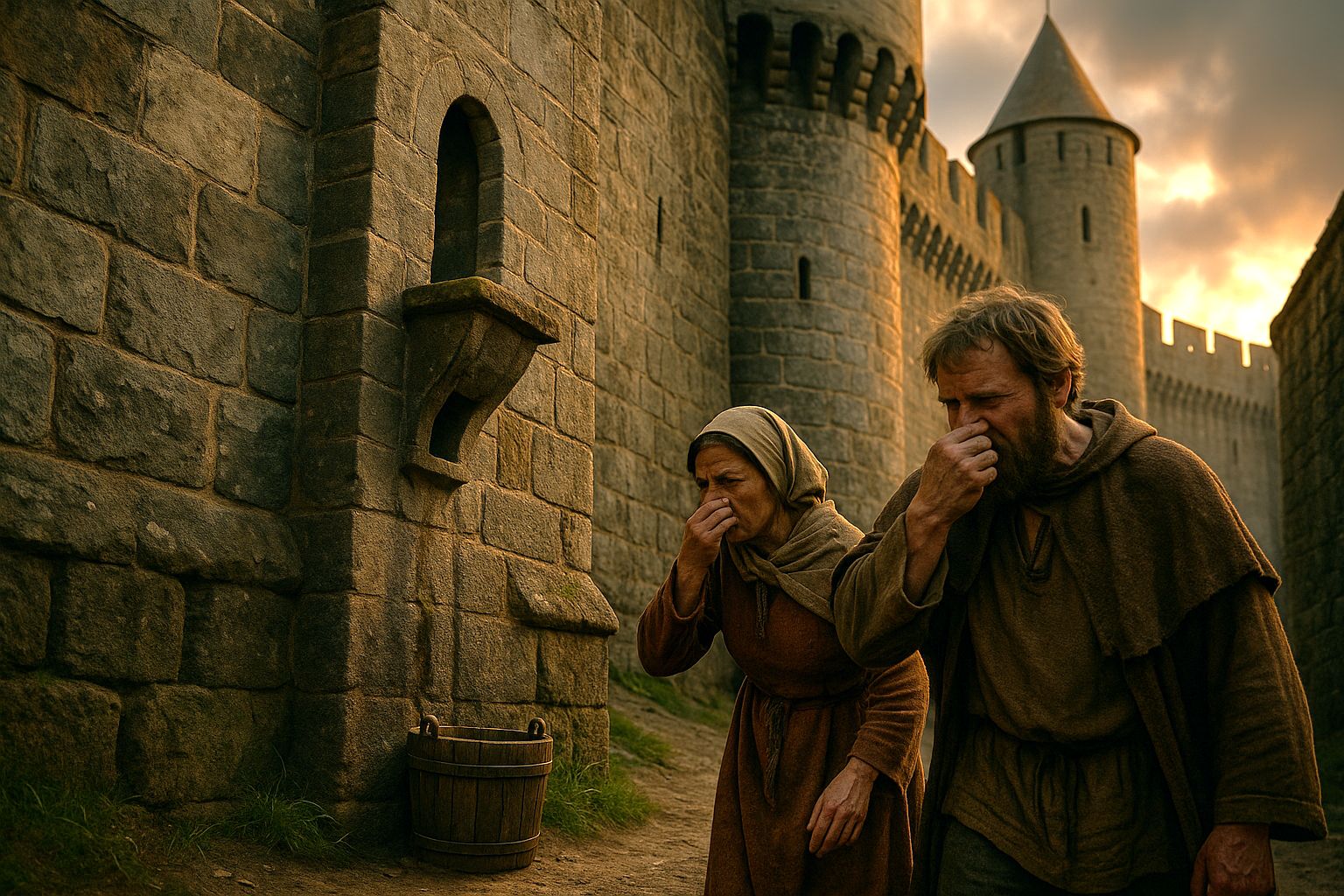
Before germ theory, many believed diseases like the plague were caused by miasma—bad-smelling air. This led to odd but logical habits, like carrying herbs, flowers, or vinegar-soaked sponges to sniff while walking through a crowded market. Physicians even wore beaked plague masks filled with fragrant herbs to “filter” the air.
2. Don’t Trust the Bread
Not all loaves were safe. In rural areas, rye bread could become contaminated with a toxic fungus called ergot, leading to hallucinations, seizures, or death. Entire villages experienced “St. Anthony’s Fire” outbreaks that were basically medieval acid trips gone wrong. Smart peasants stuck to oats or barley when they could.
3. Sleep with One Eye Open
If you lived in a town with no real police force, you took protection seriously. People often slept with weapons under the bed—or under their heads. One 14th-century English household manual recommends keeping a “knife in thy bed-straw” in case of nighttime burglars or violent drunks.
Food, Water, and Why Cheese Was Safer Than Water
4. Water = Danger
Clean drinking water was rare. Rivers were full of waste, and wells could be contaminated. Ale and cider were preferred—even for children—because the fermentation process killed some bacteria. Monks even brewed low-alcohol beer called “small beer” just for safe hydration.
5. Eat What You Can Get (But Not Too Much)
Famine was a constant threat, especially after bad harvests. People preserved what they could: smoked meat, dried peas, salted fish. But overeating when food was suddenly abundant could also be risky. Medieval doctors warned against eating cold cheese or too many apples, which could “cool the stomach” and bring on death by indigestion. (Unclear if the apples were to blame.)
Dealing With Disease and “Doctors”
6. Find a Barber (or a Priest)
Barber-surgeons performed bloodletting, tooth pulling, and minor surgery. Their qualifications? A steady hand and a strong stomach. Rich folks might hire astrologers or alchemists, while commoners leaned on folk healers or religious cures. The Church was basically medieval healthcare—prayer, pilgrimage, or holy relics were considered legit medical treatments.
7. DIY Protection Spells
Many believed in the power of charms and prayers for survival. People wore amulets with Latin inscriptions, buried animal bones under doors, or painted crosses on their homes during outbreaks. Some even carved runes into their bread knives for extra protection during meals. Superstition was medicine’s co-pilot.
Social Survival: Don’t Get Accused of Witchcraft (or Insult the Lord)
8. Keep Your Head Down (Literally)
Insulting a local noble could land you in jail—or worse. Dueling, disputes over land, or even borrowing a cow and not returning it could spiral into feuds. Best practice? Be polite, bring beer, and stay on the lord’s good side.
9. Avoid Looking Too Clever
If you were a woman with knowledge of herbs or healing—or just a neighbor who got into too many arguments—you might be accused of witchcraft. Especially during crises like plagues or famines, people looked for scapegoats. Staying quiet, religious, and socially agreeable could literally save your life.
The Final Tip: Don’t Be Too Interesting
Ironically, survival in the Middle Ages was often about not standing out. Be useful, be cautious, and be boring. The flashy, dramatic lives usually ended in early graves or execution squares. So if you wanted to grow old? Eat your oats, keep your garlic close, and never trust a smiling monk with a leech.
Sources
British Library
https://www.bl.uk/the-middle-ages/articles/health-and-medicine-in-medieval-england
History Extra (BBC)
https://www.historyextra.com/period/medieval/10-unusual-facts-about-life-in-the-middle-ages/
Wellcome Collection
https://wellcomecollection.org/articles/XCEjzRAAAB8AyN7r
Medievalists.net
https://www.medievalists.net/2021/08/survive-middle-ages/
National Library of Medicine
https://www.ncbi.nlm.nih.gov/pmc/articles/PMC5395647/