Weird Jobs of the Medieval World: From Gong Farmers to Sin-Eaters

The Weirdest Jobs in the Middle Ages – Medieval Street Characters
The Weirdest Jobs in the Middle Ages - Medieval Street Characters
The Middle Ages weren’t all sword fights and epic quests. Behind the moats and tapestries were thousands of people doing some of the strangest jobs history has to offer. From scraping out cesspits to pretending to eat your sins, these roles were vital to keeping medieval society running (and only occasionally cursed).
Gong Farmers: The Sewer Heroes No One Wanted to Talk To
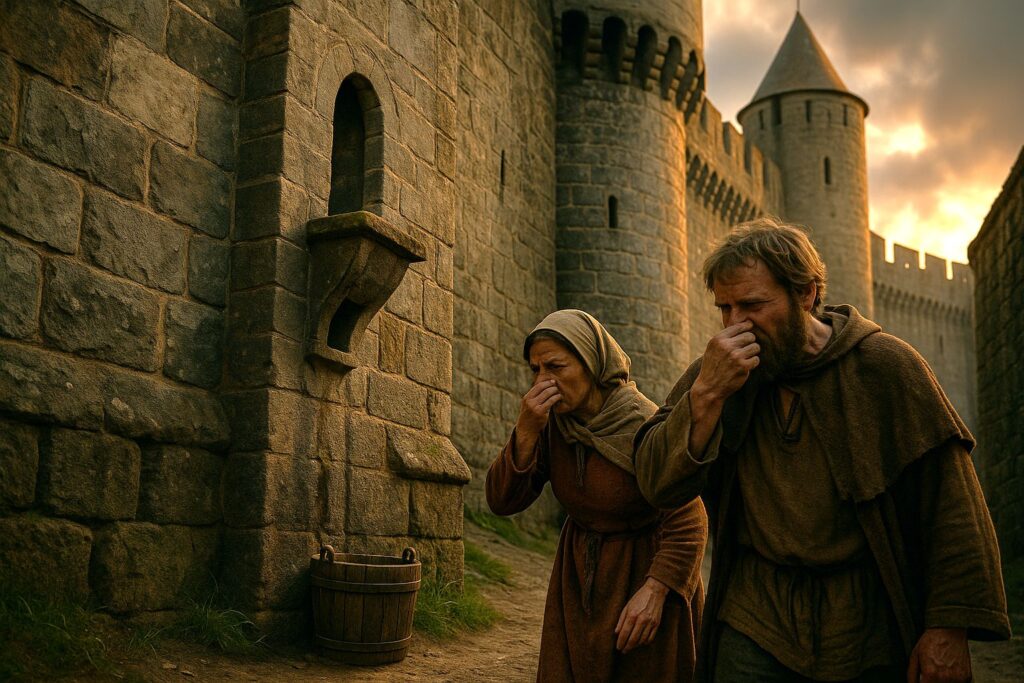
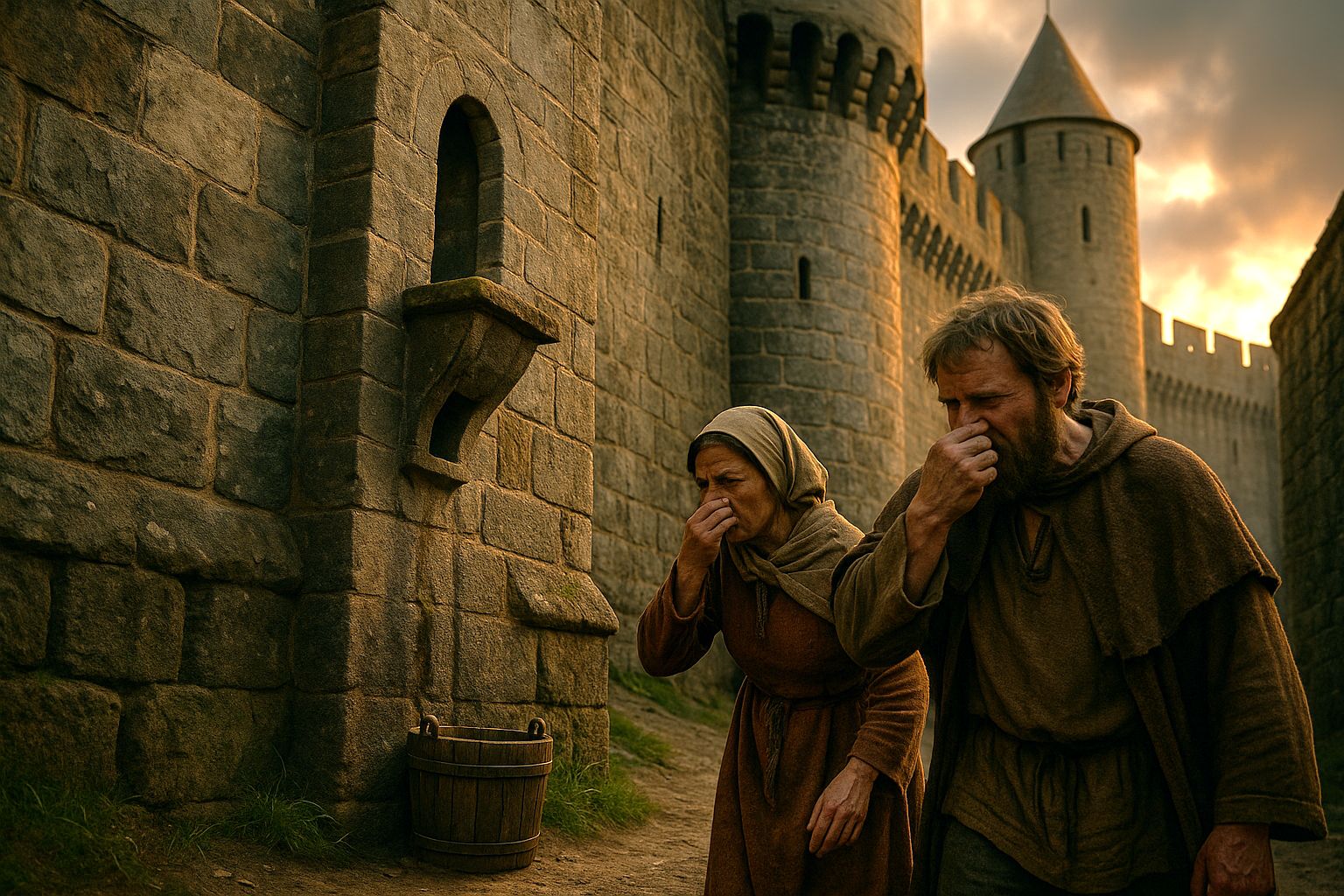
Let’s start at the bottom — literally. Gong farmers were paid to empty cesspits and privies, usually at night. The word “gong” referred to dung, and these workers would climb into waist-high human waste to shovel it into barrels. It was dangerous, disgusting, and weirdly well-paid — but nobody invited a gong farmer to dinner.
They worked after dark due to the smell and shame, and it wasn’t uncommon for cesspits to collapse or emit poisonous fumes. Still, someone had to do it — and they kept cities like London and York semi-livable for centuries.
Sin-Eaters: Spiritual Clean-Up Crew
When someone died suddenly without confessing their sins, families sometimes hired a sin-eater — a person who would symbolically “absorb” the dead person’s sins by eating a piece of bread or cake placed on the corpse’s chest. They were often outcasts, paid in beer or coins, and feared for their supposed connection to the spirit world.
This practice was more common in rural England and Wales, and while it wasn’t officially sanctioned by the Church, it persisted well into the 18th century. Talk about dying for dessert.
Leech Collectors: Human Bait for Bloodsuckers
Leeches were considered medical gold in the medieval period. To collect them, poor workers (usually women) waded into marshes barefoot and let the leeches attach to their skin. Then, they’d pull them off, store them in jars, and sell them to physicians and barbers for bloodletting.
It was painful and could lead to infection, but it beat starving. Barely.
Whipping Boys: Royal Scapegoats
When a royal child misbehaved, no one could dare lay a hand on him — except his whipping boy. This child was raised alongside the prince and took the physical punishment on his behalf. The logic? If the whipping boy suffered, the prince might learn guilt. It’s unclear how effective this was, but it’s safe to say no one envied that job.
Fullers: Beating the Cloth (and Stepping in Urine)
Before clothing could be dyed or worn, raw wool needed to be cleaned and thickened — a process called fulling. Fullers stomped on wool in vats of stale urine, which acted as a natural detergent. They did this for hours, often barefoot, in pits that reeked. It wasn’t glamorous, but it made medieval fashion possible.
Plague Cart Drivers: Bell-Ringing Grim Reapers
During outbreaks of plague, someone had to collect the bodies. Plague cart drivers went door-to-door with a horse-drawn wagon, calling out things like “Bring out your dead!” (Yes, Monty Python didn’t make that part up.)
Some wore waxed clothes or herbs for protection. Most were poor, desperate, and constantly at risk of infection — but got paid per body.
Almoners and Rat-Catchers: Charity and Chaos
Other odd-but-crucial roles included almoners (who distributed church charity to the poor), and rat-catchers, who used traps, poison, and small terriers to hunt vermin. Some rat-catchers were seen as semi-magical and even offered potions to “drive rats away.”
And then there were hermits-for-hire — some wealthy nobles paid holy men to live on their estates in spiritual solitude to make their property more pious. Real estate… medieval style.
So… Would You Have Made It?
If you were lucky in medieval times, you became a baker, blacksmith, or tailor. But if you were born into poverty, your options were far murkier (and smellier). These weird jobs may seem ridiculous now, but they kept society going. Someone had to carry the leeches, eat the sins, and haul the dung — so knights could shine and nobles could feast.
Next time you’re having a rough workday, just be glad you’re not ankle-deep in medieval latrine sludge.
Sources
British Library
https://www.bl.uk/medieval-english-french-manuscripts/articles/dirty-jobs-in-the-middle-ages
History Extra (BBC)
https://www.historyextra.com/period/medieval/grossest-worst-jobs-middle-ages-history-gong-farmers-leech-collectors/
Medievalists.net
https://www.medievalists.net/2022/03/weird-jobs-middle-ages/
Wellcome Collection
https://wellcomecollection.org/articles/X4vVbBAAALmjvXbD