Hygiene in The Middle Ages: How Bad Was It Actually
Hygeine in medieval ages – bathing in the middle ages
Hygeine in medieval ages - bathing in the middle ages
Picture the Middle Ages and you probably smell them first. But the “no one bathed” cliché collapses fast when you look at bathhouse records, monastic rules about washing, city laws on cesspits, and the humble hero of indoor life: the chamber pot.
Medieval people navigated cleanliness with seasonal rhythms, improvised plumbing, and a lively market for soap, scented waters, and fresh linen. Not exactly spa day—more like practical hygiene with a side of ingenuity.
Did they poop in chamber pots?
Yes—across classes. A chamber pot was the nighttime (and bad‑weather) solution, especially in towns where latrines might be outside or down a chilly staircase. Pots were ceramic, wood, or metal; they lived under beds or in small cupboards and were emptied into household middens, cesspits, or—if you were lucky—into a courtyard latrine.
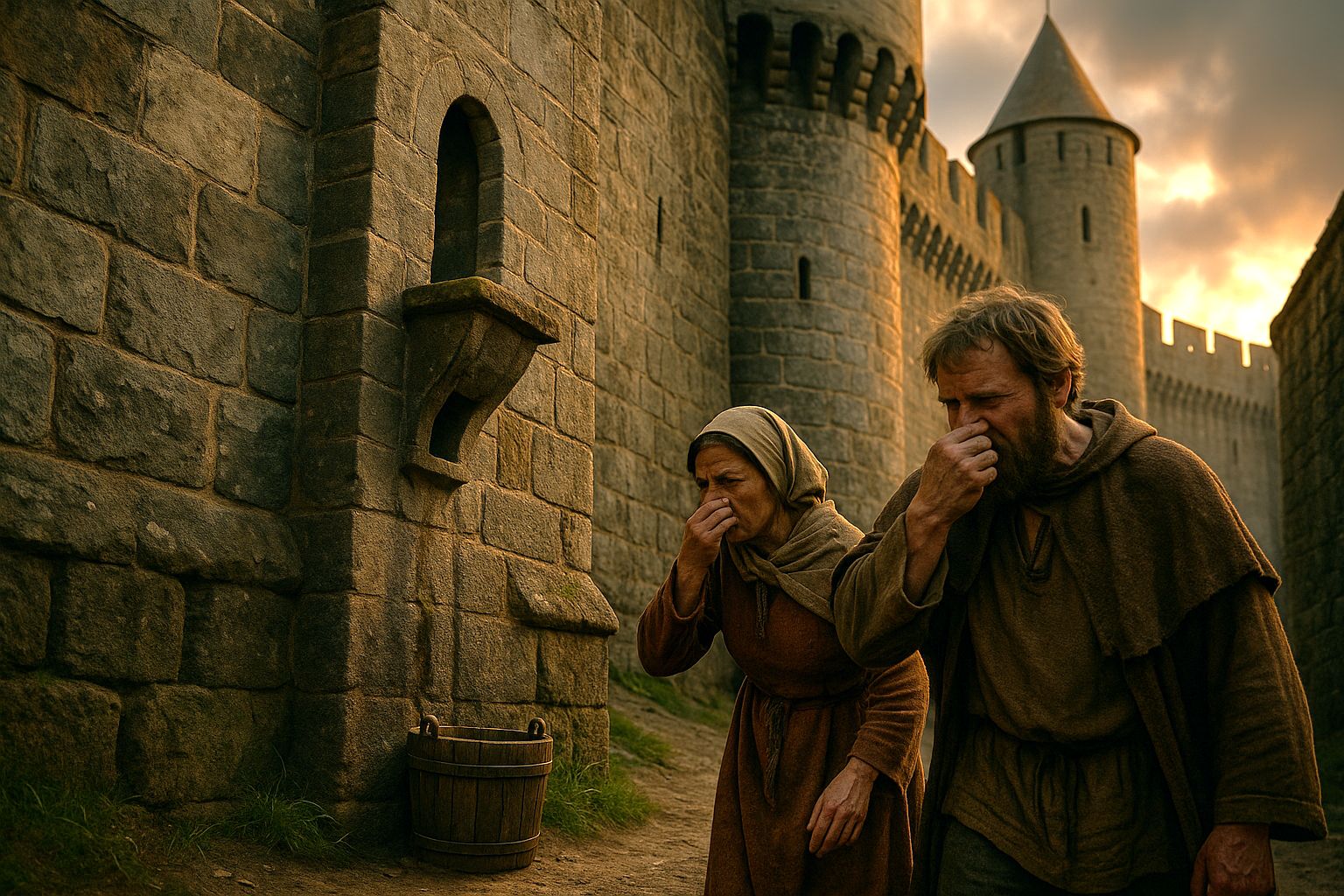
Castles and urban houses also had wall‑built toilets (garderobes) that dropped waste into pits or shafts. The archaeological record from medieval cesspits is gloriously mundane: seeds, bones, broken pottery, lost pins…and a crystal‑clear record that yes, people used pots and pits rather than the street whenever possible.
Fun fact: City bylaws often fined residents for dumping waste out of windows at the wrong time of day. Medieval urban life: part clock, part etiquette, part “please don’t do that.”
Absurd detail: Some houses hung fabric over the toilet alcove to keep drafts out. Medieval interior design, but for…reasons.
Cultural reference: If you’ve read Shakespeare’s comedies, the earthy humor lands because audiences knew the props—pots, privies, and all the practicalities of life—very well.
Bathing in the middle ages
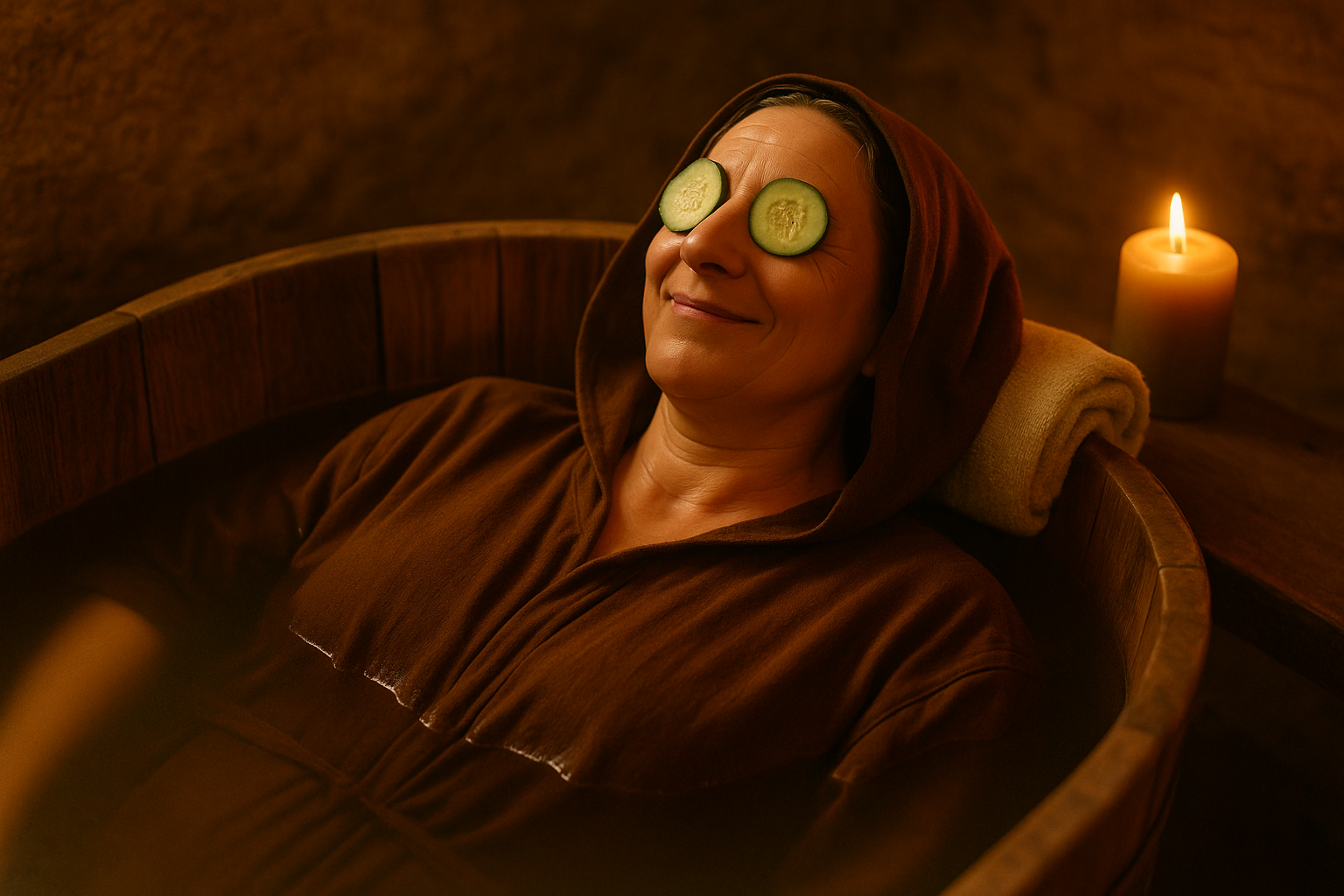
Bathing was normal, though not daily by modern standards. Towns hosted public bathhouses heated by nearby bakeries or dedicated furnaces; you could soak, steam, get a shave, and drink something warm while you were at it.
Monasteries scheduled washing before major feasts; medical writers praised warm baths for humoral balance; merchants wrote cheerfully about a good scrub after the road. Soap—olive‑oil “Castile” styles in the south, animal‑fat soaps further north—made regular appearances in household accounts.
And clean linen mattered: swapping to a fresh shift absorbed sweat and kept skin healthier in a world without hot running water.
Fun fact: Many bathhouses had separate hours or rooms for men and women, and posted rules about behavior (the Middle Ages invented the “no funny business” sign).
Absurd detail: Physicians recommended aromatic additives—rose, sage, or chamomile—to the tub. Medieval bath‑bombs, basically.
Cultural reference: The persistent meme that “Elizabeth I bathed once a year” is beloved fake history. Earlier and later Europeans alike washed more than that; the linen‑laundry habit alone would scandalize the myth.
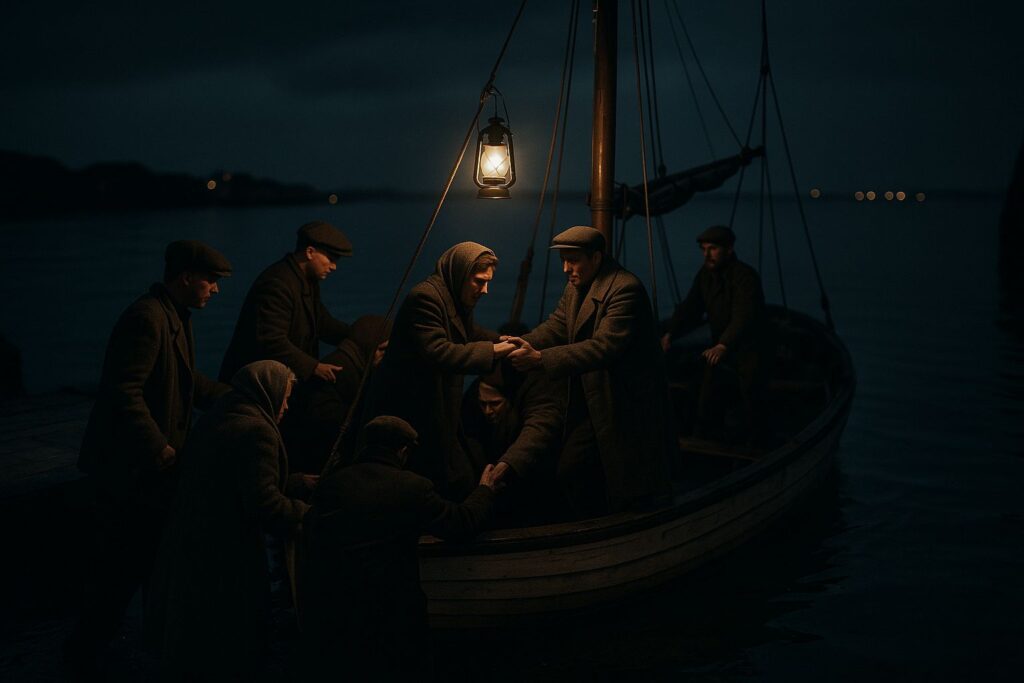
Dirty jobs:Worst jobs in middle ages
Medieval cleanliness depended on people who did the work nobody romanticizes: tanners soaking hides in ammonia‑rich “lant” (aged urine), fullers pounding cloth in strong solutions, street sweepers, and night soil removers who cleared cesspits and hauled waste outside city walls.
These were regulated trades with fees, schedules, and municipal oversight. Unpleasant? Absolutely. But without them, city life stalls—literally.
Fun fact: “Lant” was valuable enough that workshops put out jars for public contributions. Yes, medieval industry paid for pee.
Absurd detail: Some bylaws required workers to move waste only after dusk to spare passersby the sight (and smell). Night shift had a very specific vibe.
Cultural reference: Think of the TV show Dirty Jobs, then roll it back 700 years. Same energy, fewer safety rails.
Sources
British Library – Bathtime for Monks
https://blogs.bl.uk/digitisedmanuscripts/2018/03/bathtime-for-monks.html
World History Encyclopedia – Toilets in a Medieval Castle
https://www.worldhistory.org/article/1239/toilets-in-a-medieval-castle/
JSTOR Daily – Scrub-a-Dub in a Medieval Tub
https://daily.jstor.org/scrub-a-dub-in-a-medieval-tub/
Medievalists.net – Did people in the Middle Ages take baths?
https://www.medievalists.net/2023/11/people-middle-ages-baths/
Fake History Hunter – The curious claims about Elizabeth I’s bathing habits
https://fakehistoryhunter.net/2022/01/14/the-curious-claims-about-elizabeth-is-bathing-habits/
Material Matters – Lant: The Forgotten Resource
https://sites.udel.edu/materialmatters/2018/04/11/lant-the-forgotten-resource/