The Bicycle Spies of the Netherlands: Pedalling Past the Occupation
Dutch Spies on Bicycles
Dutch Spies on Bicycles
Quick take
In occupied Netherlands, bicycles became more than transport — they were weapons of stealth. From teenage girls with bread baskets to veterans disguised as postal workers, Dutch resistance couriers carried intelligence, weapons, and hope on two wheels, outpacing Nazi patrols in one of Europe’s flattest yet most dangerous battlefields.
Occupation and the loss of freedom
Germany invaded the Netherlands on 10 May 1940. Within five days, the Dutch army surrendered, and Nazi administration took control. Daily life was reshaped by curfews, rationing, censorship, and the ever-present threat of arrest.
But the Dutch Resistance — an umbrella term for countless decentralised cells — began to form almost immediately, relying on speed and discretion to survive.
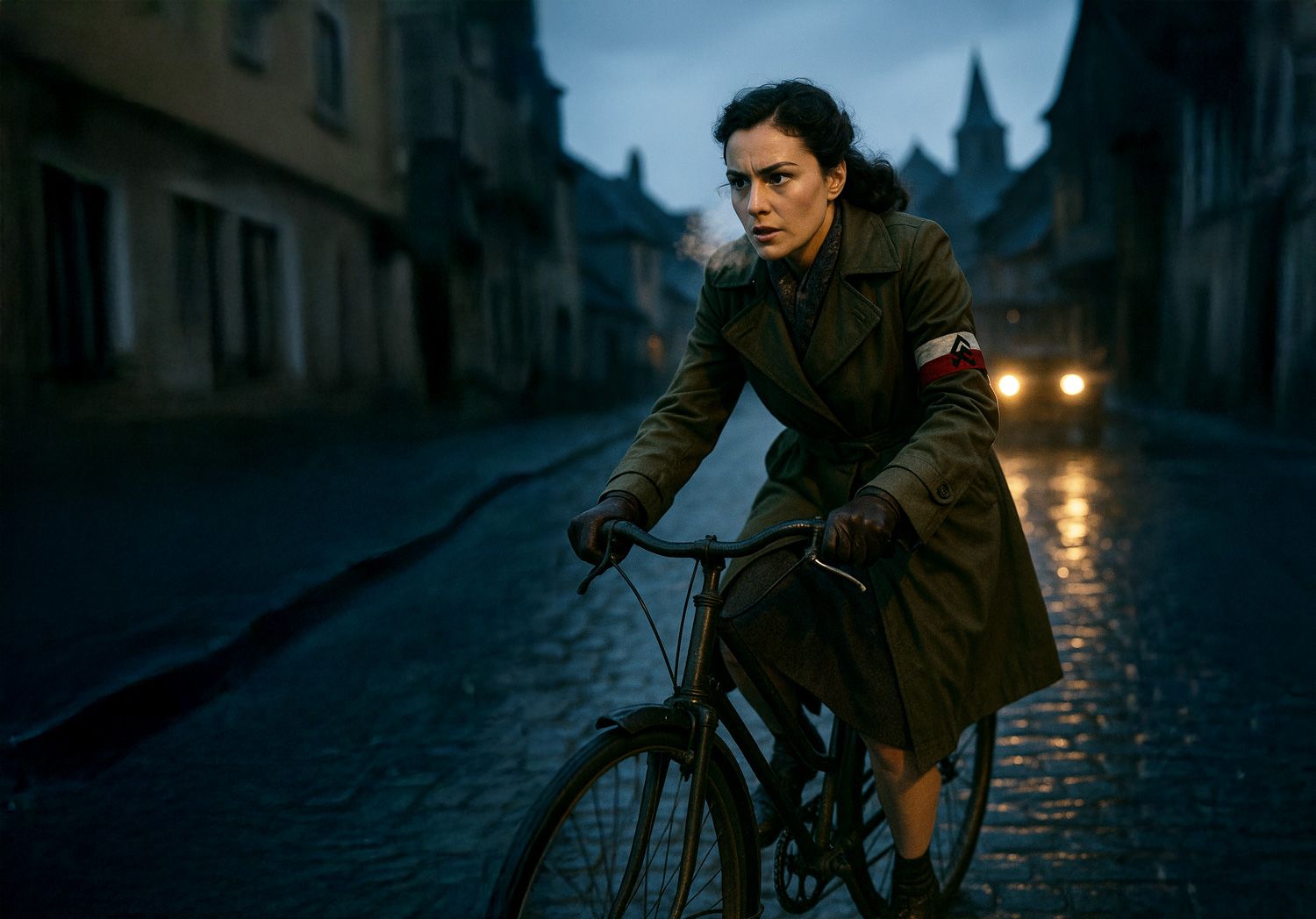
In a country crisscrossed by canals, dikes, and narrow streets, the bicycle was the perfect tool: silent, fast, and common enough to draw no suspicion. Except, of course, when the Germans started confiscating them.
Confiscation and defiance
Bicycles were a prized commodity in the Netherlands. They were also useful to the German military. Occupying forces seized thousands, sometimes at gunpoint, sometimes through “official” requisitions.
People responded with creativity: hiding bikes in haylofts, dismantling them for parts, or painting them in dull colours to avoid notice.
Resistance couriers adapted. Some rode with mismatched wheels or rusty frames to avoid drawing the eye.
Others used false baskets, hollow handlebars, or double-bottom panniers to hide documents and supplies.
Couriers in plain sight
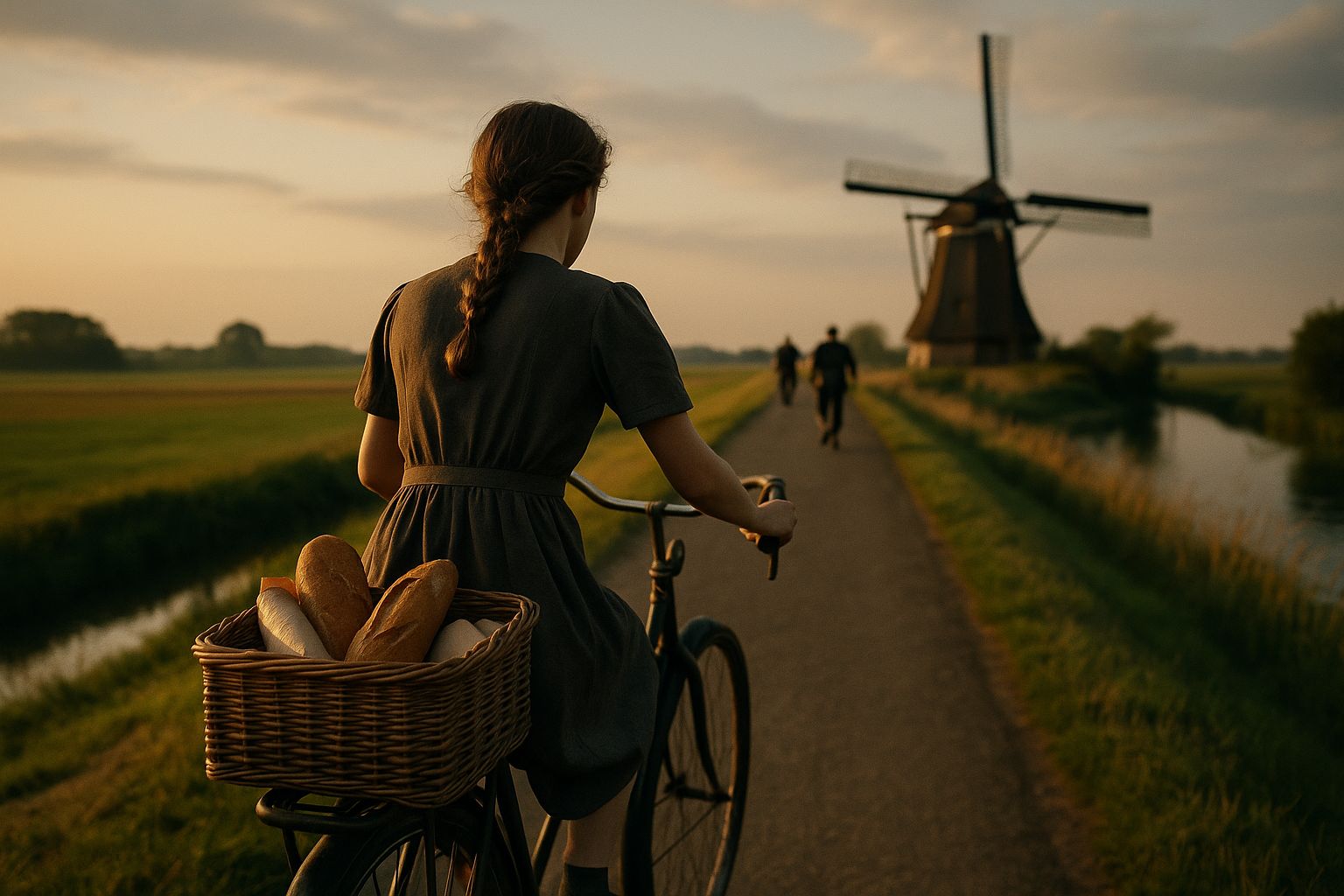
Resistance leaders knew that moving sensitive material — maps, code sheets, microfilm, forged IDs — was safest in plain view. Couriers dressed as market vendors, bakers, or students. A young woman carrying a basket of bread was less likely to be searched than a man in a heavy coat with a briefcase.
Bicycles allowed couriers to cover distances quickly, avoiding major roads where German patrols were frequent. They knew the back routes: dike paths, farm lanes, and ferry crossings.
In cities, they could slip down alleys and vanish into a crowd of other cyclists.
The risks of the ride
German checkpoints were unpredictable. Couriers might be stopped for ID checks or “random” inspections. If caught with forbidden items, the penalty could be immediate arrest, torture, deportation, or execution.
To reduce risk, messages were often memorised or written in invisible ink. Some couriers carried deliberately misleading papers so that if caught, the real intelligence was still safe elsewhere.
Techniques and ingenuity
1) Hollow handlebars
Small documents or microfilm could be rolled and slipped inside a hollowed-out bicycle handlebar, sealed with a cork or metal cap.
2) False-bottom panniers
Bags with a shallow false base could conceal weapons or papers beneath a layer of harmless goods like vegetables or laundry.
3) Code in plain sight
Couriers sometimes wove coded patterns into scarves or knitting carried on their bikes — an almost impossible code to crack without the key.
Famous operations
The Haarlem Printing Press Run
In 1944, a team of couriers in Haarlem transported illegal newspapers between underground printing presses and distribution points. The papers contained Allied news and anti-Nazi satire — a lifeline for morale.
Riders timed their routes to coincide with factory shift changes, blending into the traffic of workers heading home.
The Veluwe Weapons Drop
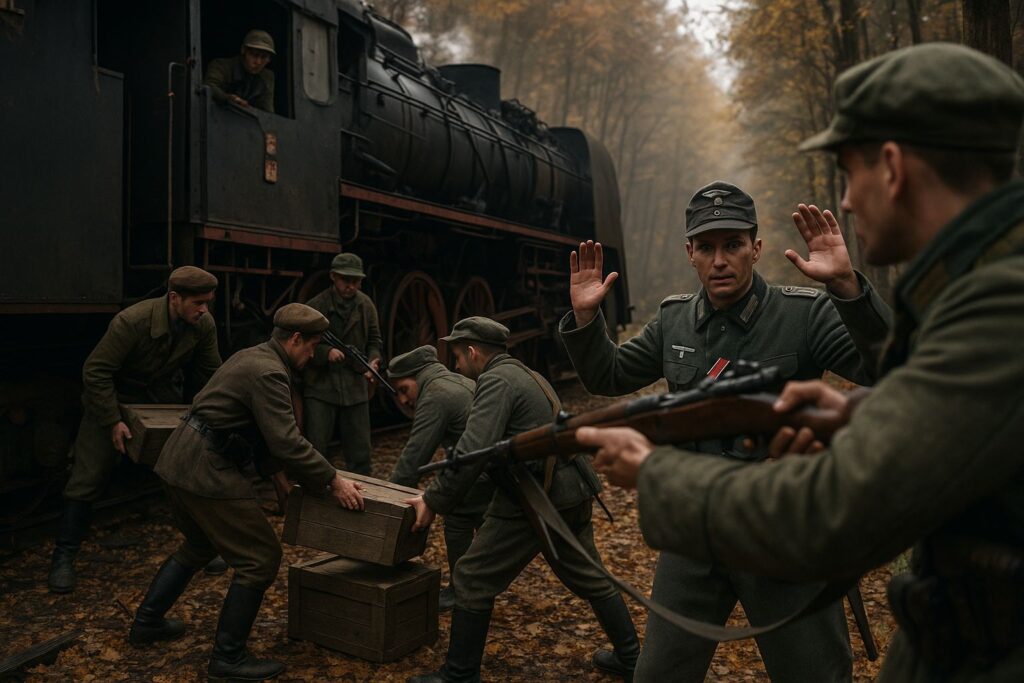
On the Veluwe heathlands, bicycle couriers ferried weapons dropped by RAF planes to hidden caches. The bikes were fitted with reinforced frames to carry the extra weight, disguised under sacks of potatoes.
The Student Network of Utrecht
University students used bicycles to move forged identity cards across the city, helping Jews and other targeted groups evade deportation. The operation relied on speed, split routes, and frequent changes of couriers to avoid pattern detection.
The role of women and youth
Women and teenagers were often the most effective couriers. They drew less suspicion, could pass through checkpoints more easily, and could carry messages in everyday items — a loaf of bread, a bouquet of flowers, or even a baby carriage hitched to a bicycle.
One famous courier, 16-year-old Hannie Schaft (later an armed resistance fighter), began her work by cycling documents between safe houses. Her apparent innocence was her greatest weapon — until her activities became known to the Germans, and she became one of their most wanted.
German countermeasures
By 1944, German forces had caught on to bicycle-based courier work. Checkpoints multiplied. Some areas saw mass confiscations of bikes, forcing couriers to travel on foot or use stolen German military bicycles as camouflage.
Even so, the resistance adapted, relying on the public’s willingness to lend bikes for short trips and return them in secret.
The liberation and after
When the Netherlands was liberated in 1945, stories of the bicycle spies began to circulate openly. Many former couriers were decorated for bravery. Bicycles themselves became symbols of resistance — not as weapons, but as instruments of freedom and connection.
Post-war, some of these bikes were preserved in museums, their frames still bearing hidden compartments or wartime repairs.
Why the bicycle worked so well for resistance
1) Cultural camouflage
In a cycling nation, nothing was less suspicious than a person on a bike — unless, of course, they were pedalling with suspicious purpose.
2) Flexibility
Bikes could use paths, bridges, and ferries that were off-limits to motor vehicles, opening dozens of alternate routes.
3) Silence
No engine meant no noise to alert patrols, and no fuel required meant independence from scarce resources.
Why this story still resonates
The bicycle spies show that resistance doesn’t always look like a gunfight. Sometimes it’s a quiet pedal through a side street, a hidden scrap of paper, and the courage to act like nothing is out of the ordinary while carrying the fate of others in your basket.
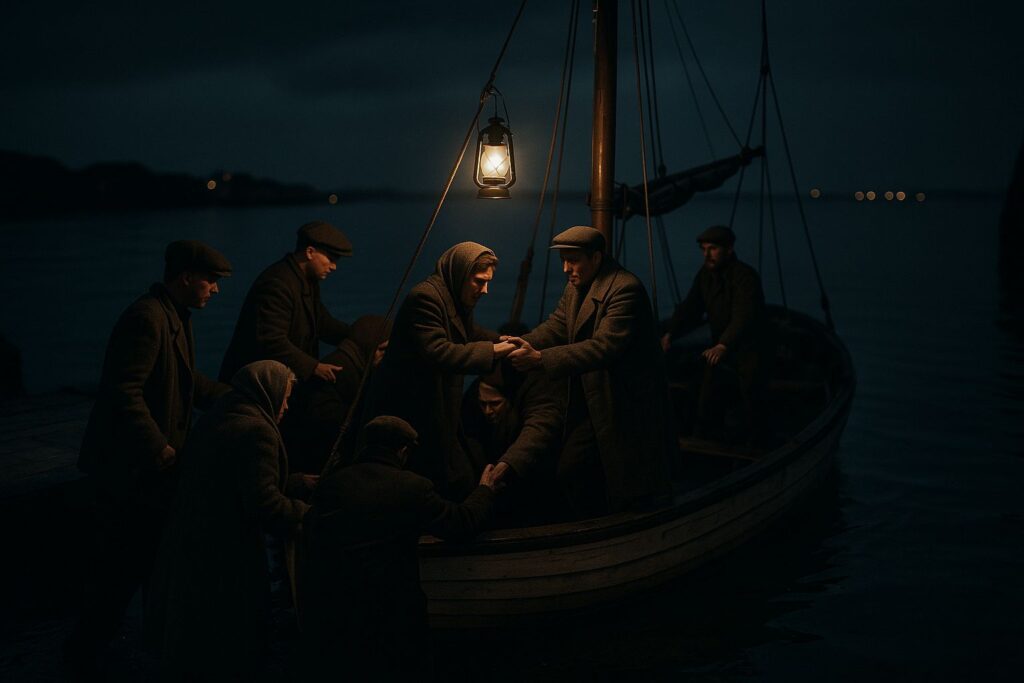
If you enjoyed this, you might also like the story of Operation Mincemeat, the Danish Fishing Boat Exodus, or the sabotage missions of Operation Gunnerside.
Must read:
The Danish Fishing Boat Exodus: A Nation’s Quiet Evacuation of Jews
Sources
Netherlands Institute for War Documentation — Resistance Couriers
https://www.niod.nl/en
United States Holocaust Memorial Museum — Dutch Resistance
https://encyclopedia.ushmm.org/content/en/article/dutch-resistance
Anne de Vries — Memoirs of a Resistance Courier
https://www.dbnl.org/
National WWII Museum — Bicycles in the Resistance
https://www.nationalww2museum.org/