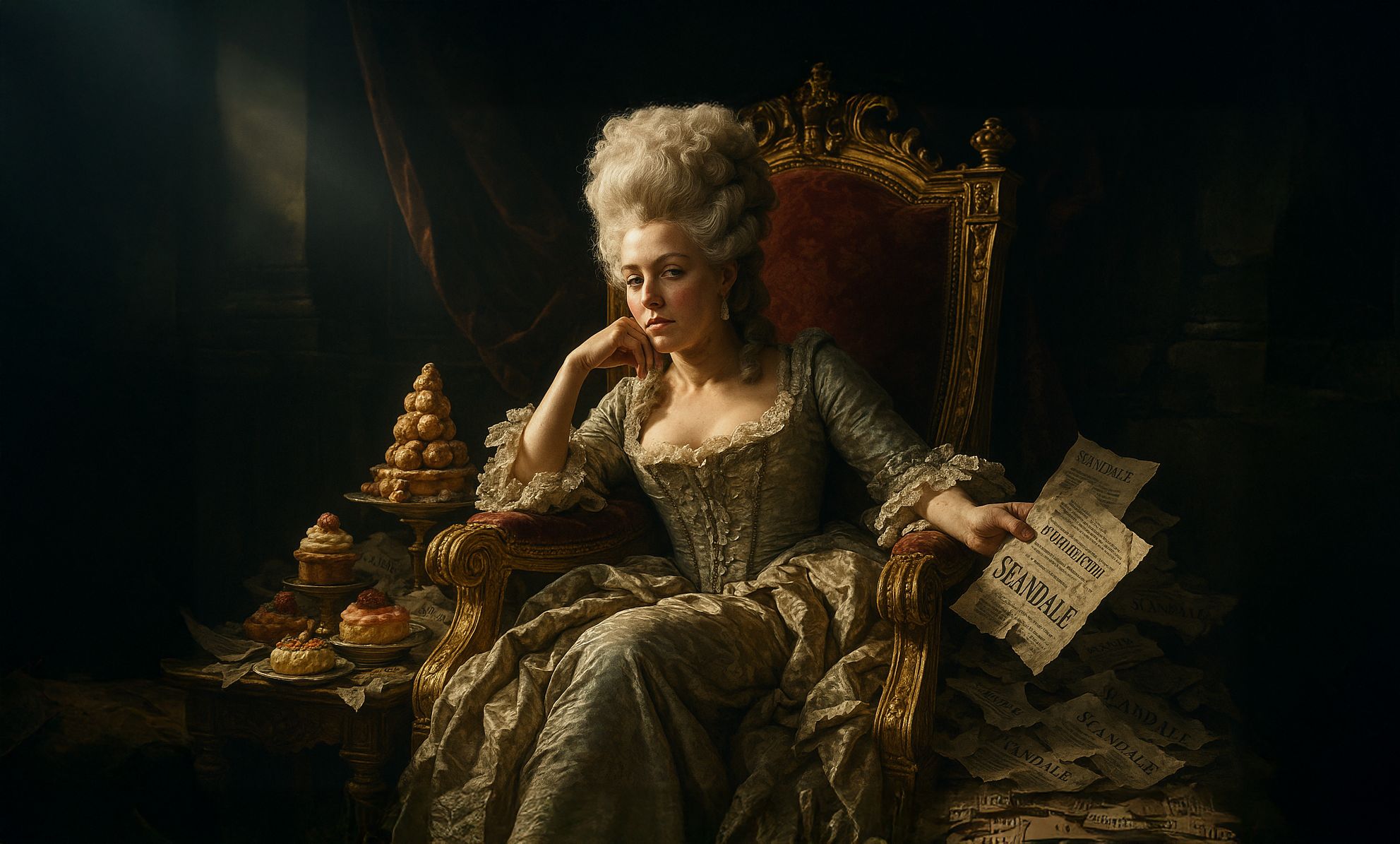
Fashion So Dangerous It Killed People: The Deadliest Trends of the 18th Century
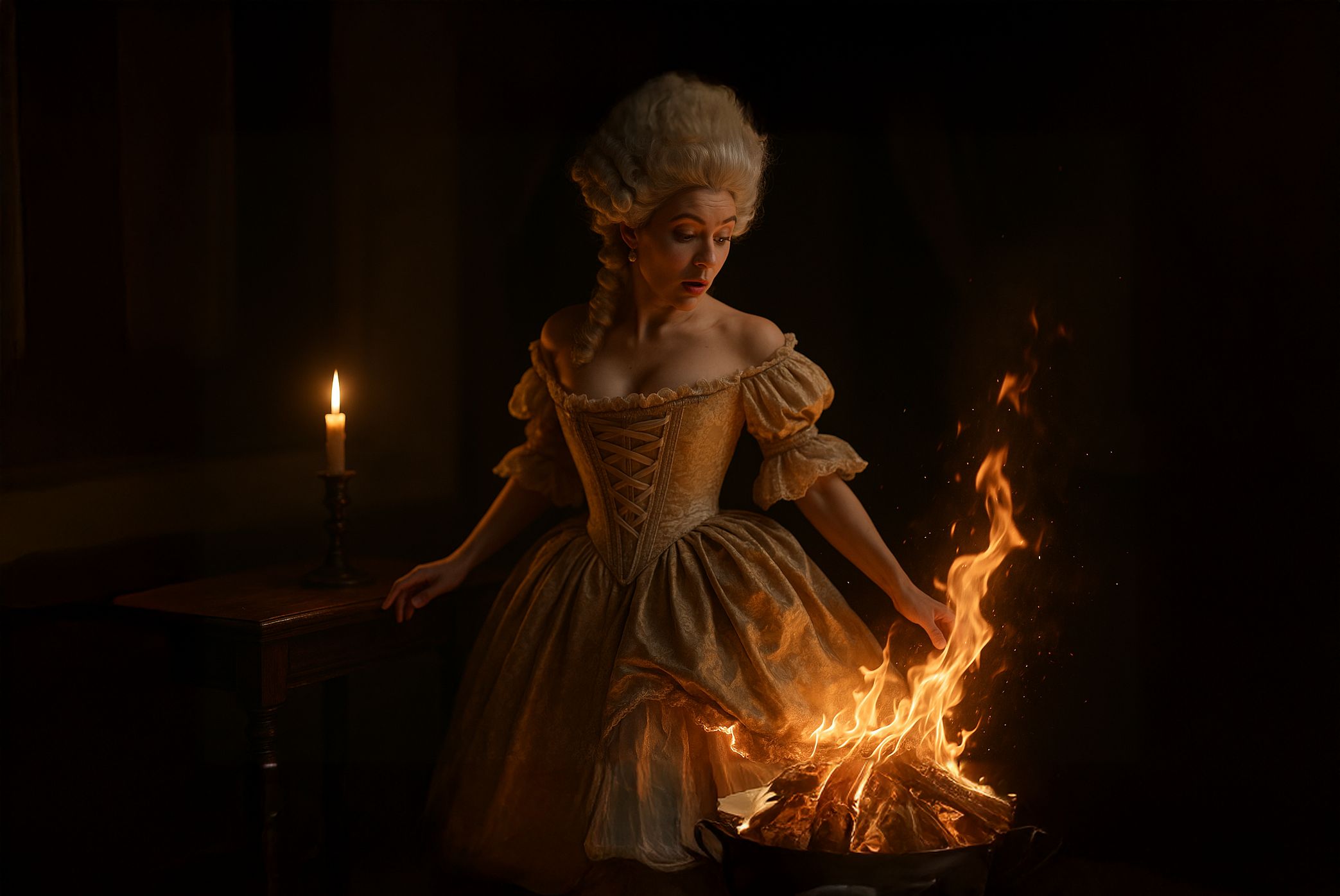
Noblewoman’s Fiery Elegance
Fashion So Dangerous It Killed People: The Deadliest Trends of the 18th Century
We often think of 18th-century Europe as an age of powdered elegance: towering wigs, jewel-toned silks, lace collars as wide as dinner plates.
But beneath the glamor was something more sinister. Many of the era’s most coveted styles were not just uncomfortable — they were outright lethal.
Think flammable fabrics, lead-based makeup, mercury-laced wigs, and fashion trends that literally set people on fire. This was beauty at a deadly cost.
The Firetrap Gown: Fashion That Ignited

Portrait of Princess Sophia by Sir Thomas Lawrence, c. 1825
Let’s start with one of the most tragic trends: flammable dresses. The massive gowns worn by elite women in the 1700s — think wide panniers, long flowing trains, and layers of petticoats — were usually made of highly flammable materials like muslin, gauze, and silk.
Add open flames from chandeliers, candles, or fireplaces and… well, disaster.
One of the most famous incidents involved Princess Sophia of Gloucester, who nearly died when her muslin gown caught fire during a party in 1777. She survived, but countless others were not so lucky.
Historian Caroline Weber notes that “accidental death by dress fire” was so common that period newspapers regularly published public safety warnings for women — including advice on how to move safely near candelabras.
Famous poet Mary Wortley Montagu even described a friend who was “reduced to a cinder in minutes” after brushing too close to a hearth. The horror didn’t stop fashion houses — they just advised ladies to walk slower and keep a “fireboy” on standby at parties.
Lead, Mercury, and Arsenic: Beauty That Poisoned
White faces were the beauty standard for centuries, but 18th-century elites took things to deadly extremes. The fashion for “porcelain skin” led many to apply lead-based face powders that slowly poisoned them over time.
These powders often contained ceruse (a lead carbonate), which caused skin deterioration, tooth loss, and even neurological damage.
The 18th-century fashion writer Madame de Genlis called it “the slow killer of court ladies.” One popular recipe even advised adding a bit of vinegar and mercury to intensify the whitening effect.
Men weren’t immune either: powdered wigs were dusted with starches laced with lead, and the pomades used to hold them in place sometimes contained arsenic.
Marie Antoinette’s makeup artist famously used a blend of “white lead and crushed pearls” to achieve the queen’s glow — and though she was executed for political reasons, it’s possible that her daily glam routine was doing its own long-term damage.
The Corset Crush: Breathless Beauty
The corset had existed long before the 18th century, but this was the era when it went extreme. Women (and sometimes men) tightly laced themselves into whalebone corsets that could drastically shrink the waist and lift the bust.
The result was a fashionable “wasp waist” — and sometimes, crushed ribs, displaced organs, and fainting spells.
Physicians of the time wrote heated pamphlets about the dangers. One German doctor described examining a deceased noblewoman whose “liver was perforated by pressure from the stays.”
Fainting couches weren’t decorative; they were a necessity for women whose corsets restricted blood flow and oxygen.
And yet, the tighter the better. Fashion magazines praised women who could fit into 18-inch corsets, and court rumors often revolved around who had the smallest waist at Versailles. For some, that beauty came with bruises — or worse.
Big Hair, Bigger Problems
Ah, the powdered wig: symbol of sophistication, satire, and scabies. 18th-century wigs, particularly the “pouf” styles of France, could reach up to three feet in height and were often decorated with ribbons, birds, mini-ships, or scenes of current events. But they weren’t exactly hygienic.
Wigs were secured using animal fat and pomade, which attracted vermin and lice. Ladies used long metal tools called “head scratchers” to itch beneath them, and perfumes were applied to mask the scent.
The popularity of this odd status symbols grew — so much so that Parliament eventually introduced the hair powder tax to profit from the craze.
Some wigs became so elaborate they couldn’t be removed for weeks — which made for a cozy habitat… for bugs.
One satirical engraving from 1776 depicts a woman’s hair being lifted to reveal a bustling mouse nest. Funny — until you realize that mice in wigs were genuinely a problem in overcrowded court chambers and bedrooms.
At the height of extravagant style, the government i Britain imposed the hair powder tax, turning vanity into revenue.
Toxic Dye and Death by Green
Colors weren’t safe either. The trend for bright green in dresses and accessories (especially in the late 1700s and into the 19th century) led to the use of arsenic-based dyes. Known as “Paris Green” or “Scheele’s Green,” these pigments were vibrant — and lethal. Prolonged skin contact or inhalation could cause vomiting, sores, or even death.
There are reports of seamstresses falling ill while working with arsenic-dyed fabric. Even gloves and fans could carry the toxic substance.
One famous case involved a young English socialite who collapsed at a ball wearing a vivid green gown — doctors suspected arsenic poisoning through her pores.
Cases like this became part of what newspapers dubbed the clothing arsenic scandal, when toxic dyes turned elegance into a public health crisis.
Footnotes, Fainting, and Fashion Victims
Was this all vanity? Not exactly. For many women, fashion was a form of survival. At court, status meant everything. A poorly powdered wig or sagging corset could mean social death, if not actual death. The pressure to conform — to stay current, slim, pale, and fragrant — was immense.
And many of these trends were passed off as harmless or even healthy. Lead powder was thought to “soothe blemishes,” corsets were said to correct posture, and high wigs “encouraged upward thinking.” The reality, however, was brutal.
For every aristocrat admired at a salon, another collapsed from lead poisoning or caught fire at a masquerade ball.
Conclusion: Dressed to Kill, Literally
The 18th century gave us timeless style inspiration — but it came with a body count. Looking fashionable could mean shortening your lifespan, whether by slow poisoning or sudden combustion.
Today, we marvel at the decadence of the past… but the next time someone tells you beauty is pain, remind them that once upon a time, it was also flammable.
Must read:
Marie Antoinette: Icon, Victim, or PR Disaster?
Sources
History Extra – BBC
https://www.historyextra.com/period/georgian/why-did-people-wear-white-lead-makeup-history/
The Met Museum
https://www.metmuseum.org/art/collection/search/157500
Caroline Weber, “Queen of Fashion”
https://www.penguinrandomhouse.com/books/184196/queen-of-fashion-by-caroline-weber/
Smithsonian Magazine
https://www.smithsonianmag.com/history/when-green-meant-poison-180974158/
Journal of Fashion History
https://www.tandfonline.com/doi/full/10.2752/175174109X456870