Cosplay the Renaissance: How to Dress Like Nobility Without Selling Your Castle
Cosplaying Renaissance – Historic Sidenotes
Cosplay the Renaissance: How to Dress Like Nobility Without Selling Your Castle
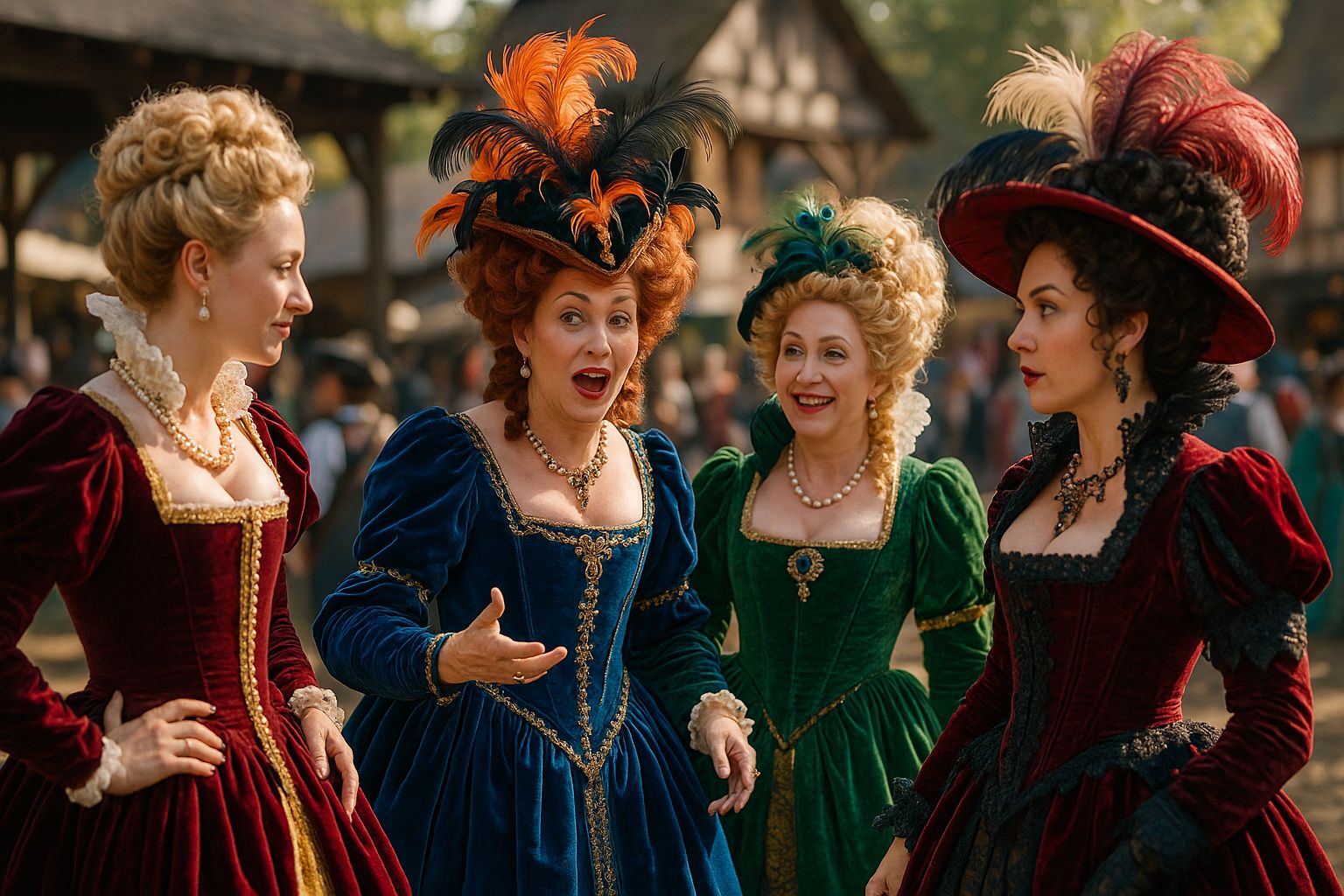
Few things bring history to life like stepping into costume. The Renaissance — with its flamboyant fashion, towering wigs, and velvet-draped courts — is a perfect playground for anyone who wants to try historical cosplay.
Renaissance fairs, Halloween parties, theater productions, or even an indulgent photo shoot all give you the excuse to say: “Yes, I do need a feathered hat bigger than my head.”
But recreating Renaissance style doesn’t mean pawning your furniture to afford a hand-stitched brocade gown.
Today, a treasure trove of ready-to-wear costumes, luxury wigs, and glittering accessories exist online.
Whether you want to be a queen sweeping through the court of Elizabeth I or a dashing rogue who might (or might not) have paid his taxes, there’s a look for you.
This guide will take you through the essentials — for both ladies and gentlemen, nobles and peasants alike — with product links you can actually buy.
We’ll add a pinch of history, a dash of humor, and a whole lot of velvet.
For the Ladies: Channel Your Inner Elizabeth I
The Renaissance was a golden age of fashion excess for women.
The look was defined by opulent gowns, rigid corsets, and hairdos that defied both gravity and logic.
Pearls, lace, and embroidered fabrics screamed wealth, while wide farthingale skirts created silhouettes that were equal parts majestic and impractical. (Perfect for knocking goblets off tables with a single turn.)
Luxury Wigs
Elizabethan women prized elaborate hairstyles. If your natural hair doesn’t stretch to towering auburn coils, a wig is your shortcut. Look for wigs styled with curls, braids, or even jewel accents.
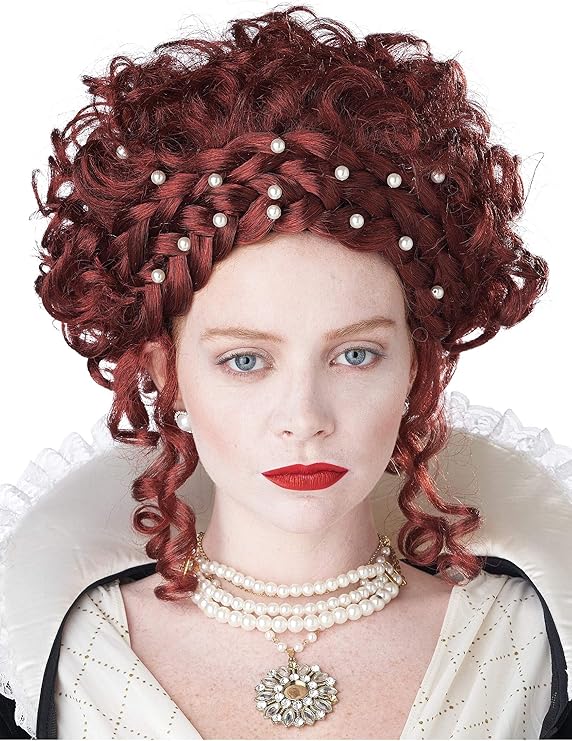
Renaissance Queen Wig with Braided Crown

Long Curly Auburn Wig (Elizabeth I Inspired)
Gowns and Corsets
The gown is your centerpiece. Modern costume designers have reimagined these with wearable comfort in mind — stretchy bodices and lighter fabrics than their historical counterparts. Pair it with a corset (mercifully not whalebone) to capture that 16th-century silhouette.

Deluxe Renaissance Queen Dress with Brocade Skirt

Pearls, Jewels, and Lace
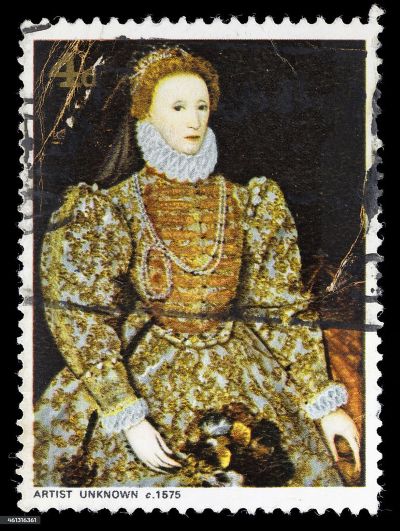
Pearls were practically Elizabeth I’s brand logo. Draped across gowns and sewn into wigs, they symbolized purity and wealth. Pair your costume with faux pearl necklaces, lace cuffs, or a jewel-encrusted crown.


Renaissance Crown with Red Gems
For the Gentlemen: Lords, Knights, and Questionable Beards
Men of the Renaissance era also knew how to show off. From puffed sleeves to velvet doublets, clothing was meant to project power.
Think Shakespeare, Henry VIII, or that one mysterious noble who always seems to win at cards.
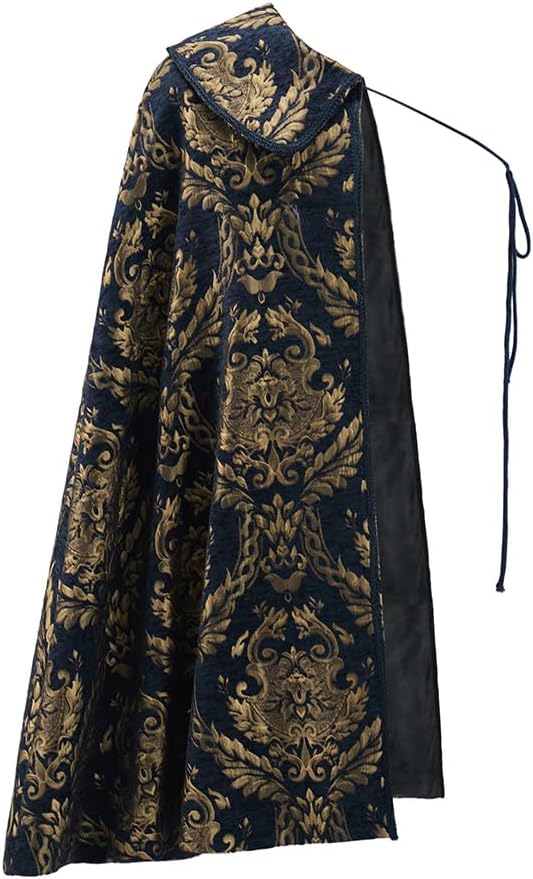
The Doublet and Cloak
The doublet was the Renaissance man’s armor of fashion. Pair it with a sweeping cloak and you’ll be ready to woo fair maidens or sneak into courtly intrigue.

Men’s Renaissance Doublet with Gold Trim

Trousers and Boots
Puffed trunk hose (short, balloon-like trousers) may not be everyone’s taste, but fitted breeches paired with high boots create a flattering and versatile look.


Swords and Props
No Renaissance gentleman outfit is complete without a sword — real or replica.
Luckily, Amazon won’t send you a sharpened blade, but prop swords and daggers complete the vibe.
Leather Belt with Sword Hanger
Accessories Make the Monarch
Accessories are where the fun begins. Feathers, goblets, gloves, and masks all add personality to your outfit. They’re also conversation starters — the Renaissance equivalent of “nice shoes.”
DIY Renaissance on a Budget
Not every fairgoer needs to look like royalty. In fact, most Renaissance attendees would have been peasants, merchants, or artisans. The good news? That’s cheaper to replicate. Simple tunics, leather belts, and woven skirts get the job done without draining your coin purse.
If you sew, you can even buy fabric bundles and patterns. Historical accuracy aside, making your own gives you bragging rights: “Yes, I stitched this doublet myself, and no, you can’t tell where the wine stain is.”
Renaissance Costume Sewing Pattern Kit
Fabric Bundle: Velvet and Brocade
Extra Flair: Theatrical Makeup and Beards
Let’s not forget cosmetics. The Renaissance look was pale, powdered skin — often achieved with questionable mixtures of lead and vinegar. Thankfully, today we have safe makeup alternatives. White face powder, eyeliner, and dramatic lipstick can bring your look together. Gentlemen can opt for glue-on facial hair if their beards refuse to grow in historically accurate styles.
Stage Makeup Kit: Pale Base & Rouge
Fake Renaissance Beard & Mustache Set
Where to Show Off Your Look
Costumes aren’t meant to sit in closets. Here are a few ideas for where to flaunt your Renaissance cosplay:
- Renaissance Fairs: The obvious choice. Every year, towns across the world transform into Tudor villages filled with turkey legs, jugglers, and questionable British accents.
- Halloween: Forget the vampire cape — nothing says power like arriving as Queen Elizabeth or a Spanish conquistador.
- Theater and Cosplay Conventions: Shakespeare fans and cosplay enthusiasts alike will appreciate the effort.
- Photoshoots: Perfect for Instagram content or dramatic holiday cards. (“From our family to yours — long live the Renaissance!”)
A Few Fun Historical Notes
Because it’s Historic Sidenotes, let’s add some trivia to impress your fellow fairgoers:
- Ruffs — those giant collars — were often starched so heavily they could stand up on their own. People sometimes used wire frames to keep them aloft.
- Corsets of the time weren’t about shrinking waists, but creating a flat, conical torso. The hourglass figure came later.
- Perfume was a must. Without daily showers, nobles relied on strong scents to mask… well, the realities of life before plumbing.
- Velvet was one of the most expensive fabrics. Owning it was a direct status symbol, often restricted by “sumptuary laws” that dictated who could wear what.
Closing Thoughts
The Renaissance was an era obsessed with image, display, and fashion. Recreating it today is about more than historical accuracy — it’s about stepping into another world, living history for a day, and having fun with it.
Whether you want the full Elizabethan regalia or the humble charm of a peasant’s tunic, your costume can transport you to a time of banquets, duels, and sonnets.
So go ahead: crown yourself, raise your goblet, and sweep dramatically through your next fair. History may repeat itself — but this time, it comes with free shipping.
Sources
Smithsonian Magazine
https://www.smithsonianmag.com/history/elizabethan-fashion-extravagance-123456/
Encyclopedia Britannica
https://www.britannica.com/art/Renaissance-costume
History Extra
https://www.historyextra.com/period/tudor/what-did-people-wear-renaissance/